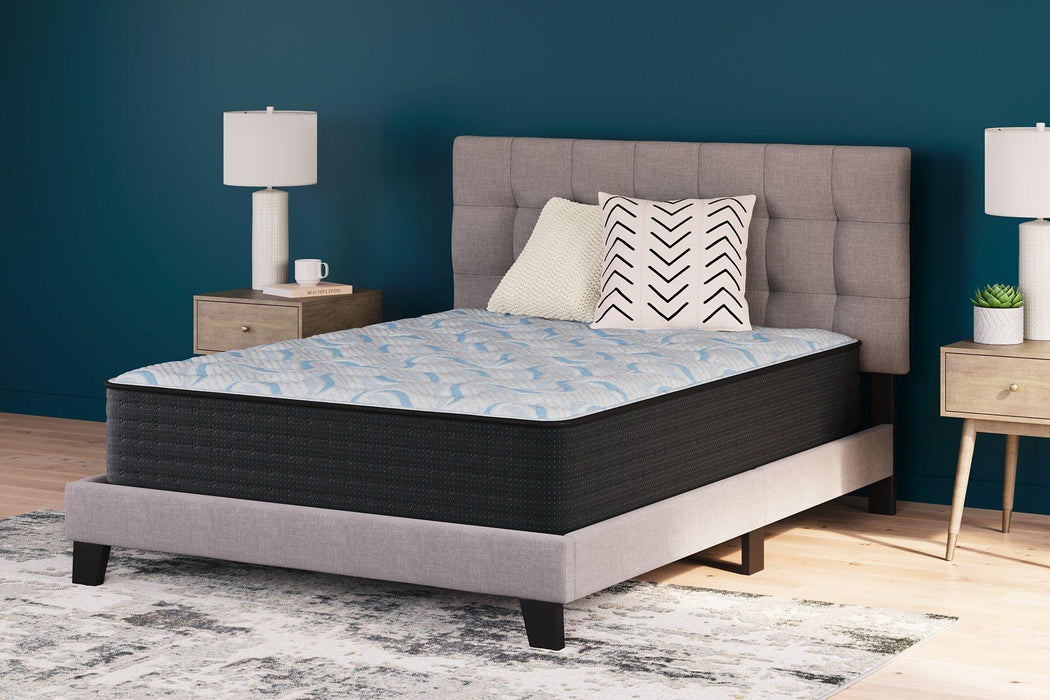
How to tell if your innerspring mattress is sagging? Look for visible dips, increased discomfort, or the feel of springs through the surface. This guide covers practical checks to confirm sagging and solutions to improve your sleep quality.
Key Takeaways
-
Key indicators of a sagging innerspring mattress include visible dips, feeling springs through the surface, and increased pressure points, leading to discomfort and disrupted sleep.
-
Sagging mattresses negatively impact sleep quality by causing poor spinal alignment, discomfort, and increased tossing and turning, which can result in waking up tired and sore.
-
Preventive measures include regular mattress rotation, using solid support bases, and timely maintenance, while long-term solutions may involve replacing the mattress or investing in high-quality options.
Recognizing the Signs of a Sagging Innerspring Mattress

Mattress sagging refers to the loss of flatness and the development of dips, often found in the middle of the mattress. Key indicators include loss of support, discomfort while sleeping, and visible dips where you sleep. Body impressions, typically under the heaviest parts of the body such as the torso and lower back, are usually normal to an extent. However, when these impressions deepen into noticeable dips, it’s time to pay attention to mattress sag and develop body impressions.
Assess areas that show signs of sagging to determine if your mattress needs attention. Signs include:
-
Visible dips or depressions indicating a sagging mattress
-
Feeling springs or coils through the surface, signaling inadequate support
-
Increased pressure points that can lead to disturbances in sleep and discomfort
Uneven Surface and Visible Dips
Visible dips or depressions in the mattress surface indicate that a mattress has sagged. A sagging mattress will often feel uneven, with certain areas lower due to regular use. Lay a straight object across the mattress surface; gaps indicate mattress indentation.
Check mattress flatness using a ruler or similar object. Identifying these dips early can help you take action before the problem becomes worse.
Feeling Springs or Coils
Feeling springs or coils through the surface clearly signals inadequate support. Innerspring mattresses rely on innerspring coils for support, and when these coils lose their effectiveness, they become noticeable. This affects the mattress in several ways:
-
It changes the mattress feel
-
It compromises pressure relief
-
It leads to discomfort
-
It causes disrupted sleep
Increased Pressure Points
Pressure points from a sagging mattress can disrupt sleep and cause discomfort, affecting your sleeping position. Pressure points on a sagging mattress cause tossing and turning, disrupting restful sleep.
A lack of pressure relief in a sagging mattress puts excess strain on muscles and joints, contributing to discomfort. These issues underscore the importance of addressing mattress sagging promptly.
Impact of a Sagging Mattress on Sleep Quality

A sagging mattress can cause the following issues:
-
Reduces sleep quality, causing discomfort and poor rest
-
Leads to less sleep due to reduced comfort and support
-
Causes disrupted sleep and reduced mattress longevity
-
Can cause back and neck pain, diminishing overall wellness
-
Harms overall health due to lack of support
-
Severe sagging significantly impacts sleep quality and shortens mattress lifespan
When your mattress loses its supportive structure, it can no longer keep your spine aligned, leading to significant discomfort and ongoing health issues. Disrupted spinal alignment causes tossing and turning in search of comfort. The result? You wake up tired, stiff, and sore, affecting your mood and productivity the next day.
Poor Spinal Alignment
Sagging disrupts spinal alignment, causing back pain and poor posture. Poor spinal alignment from sagging results in discomfort and persistent back issues. On a sagging mattress, weight is unequally distributed, which can exacerbate alignment issues.
Support loss from sagging causes sinking and dips, worsening edge support and support spinal alignment.
Tossing and Turning
A sagging mattress can significantly impact sleep quality, leading to discomfort and disruptions. Sagging mattresses cause pressure points, leading to discomfort. Inadequate support from a sagging mattress causes many to toss and turn at night.
Proper support from a perfect mattress leads to a better night’s sleep, helping to prevent poor sleep and promote rejuvenating sleep on a supportive sleep surface for better quality sleep on the entire mattress.
Waking Up Tired
Falling asleep and frequent night wakings are common issues with sagging mattresses. Sleeping on a sagging mattress directly results in waking up tired. Individuals may experience mild back pain and soreness in the arms due to inadequate support from a sagging mattress.
Aches in the neck, shoulders, back, or hips suggest inadequate mattress support. Morning stiffness or soreness fading during the day suggests mattress-related pain. A poor mattress can significantly affect mood, energy levels, and productivity.
Causes of Innerspring Mattress Sagging
Innerspring mattresses sag over time due to several common factors:
-
Loss of coil tension, weakening support, is a significant cause of sagging.
-
Material wear and tear contribute to sagging as foam degrades over time.
-
Excessive weight and prolonged use accelerate mattress sagging.
-
Poor bed frame support exacerbates sagging, causing further structural issues.
Understanding these causes helps take preventive measures to extend mattress life. Delving into each cause provides better understanding on how to combat them.
Coil Tension Loss
Coil tension loss significantly contributes to sagging, affecting support and comfort. Repeated use diminishes coil tension, leading to loss of support. Higher gauge coils, including individually wrapped coils, are less durable and lose tension more quickly.
Neglecting maintenance accelerates sagging by hastening coil tension loss.
Material Wear and Tear
Foam and padding material degradation significantly contribute to sagging. Foam materials degradation causes sagging and uneven mattress surfaces. Compressed foam over time reduces comfort and contributes to sagging.
Material wear and tear ultimately affect mattress support and longevity.
Excessive Weight and Use
Excessive weight, uneven support surface, and loss of elasticity are key factors in innerspring mattress sagging. Innerspring mattresses typically last 7 to 10 years before sagging from excessive weight and use.
Excessive weight and prolonged use significantly accelerate innerspring mattress sagging. Understanding the impact of excessive weight and use on sagging aids in timely maintenance or replacement to enhance sleep quality.
Quick Fixes for a Sagging Innerspring Mattress
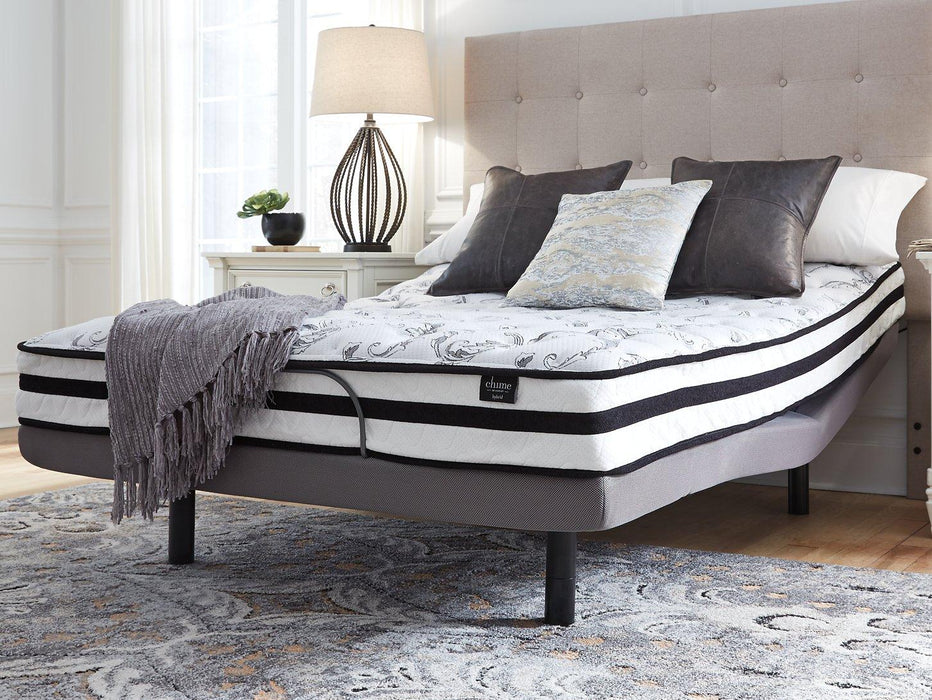
When your mattress sags, immediate replacement might be tempting. However, several quick fixes are available to fix a sagging mattress. These can offer temporary relief and help extend the life of your mattress.
A mattress topper commonly enhances comfort for a sagging mattress. Place plywood between the mattress and bed frame for extra support. Flipping or rotating the mattress helps distribute wear and may improve sagging.
Consider using additional thin pillows. Place them under a mattress topper to even out a severely saggy mattress. Repair a sagging mattress temporarily using materials like plywood.
Rotate the Mattress
Rotating the mattress:
-
Redistributes weight more evenly, helping mitigate sagging.
-
Is a simple yet effective way to prolong mattress life.
-
Ensures even wear and maintains comfort levels.
Incorporate rotation into regular maintenance to improve mattress longevity.
Use a Mattress Topper
A mattress topper temporarily improves comfort on a sagging mattress. A firm mattress topper adds structure and support. It improves overall comfort by masking pressure points.
Choose mattress toppers made of premium materials for durability and comfort. Thick, high-quality toppers of at least 3 inches are recommended for sagging mattresses.
Add Extra Pillows
Placing extra pillows under the mattress temporarily alleviates sagging by adjusting support. This method is useful for side sleepers needing extra cushioning to maintain alignment.
Long-Term Solutions for a Sagging Mattress
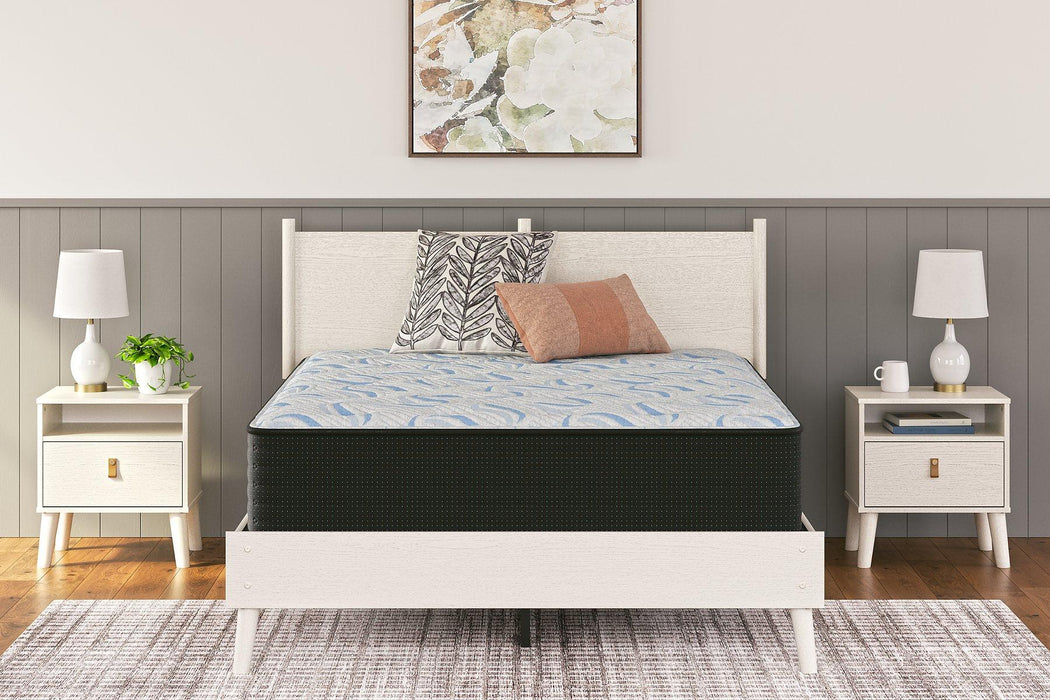
Constant pillow adjustments or frequent mattress rotation indicate the need for lasting solutions. A sagging mattress hinders proper spinal alignment, significantly affecting health. Addressing the foundation or considering replacement is crucial if sagging results from weakened support.
A sturdy foundation or platform bed provides better support and increases durability. Reinforcing the base with supportive materials addresses structural issues. This is especially beneficial for a sagging mattress. If deep body impressions or a compromised core are present, replacement might be necessary.
Severe or persistent excessive sagging issues indicate the need for a replacement. Consider starting the shopping process soon.
Replace the Box Spring or Bed Frame
A compromised box spring can reduce overall mattress support. Inspect the bed frame for wear to ensure proper mattress support. A solid foundation enhances overall mattress support.
Replace the box spring or bed frame if significant wear is present to support your mattress effectively.
Invest in a High-Quality Mattress
Investing in a quality mattress saves money and discomfort long-term. When choosing a high-quality mattress, consider:
-
Reinforced edges to minimize sagging
-
Durable materials for longevity
-
Durable fabrics
-
High-density foams to promote durability
Seek guidance from sleep experts when selecting a new mattress. Spring gauge and tempering affect how long they maintain shape.
Custom Mattress Options
Custom mattresses suit individual sleep preferences and body types. These options offer a personalized sleep experience, addressing firmness, support, and material preferences from various mattress manufacturers, including most mattresses made of natural latex, memory foam, memory foam mattresses, high quality mattresses, hybrid mattresses, modern mattresses, and different mattress types. The choice of a memory foam mattress depends on individual needs.
Custom mattresses often provide better longevity and support than standard options, making them a worthwhile investment for persistent sagging issues.
Prevention Tips to Avoid Future Sagging

Prevent future sagging with a proactive approach:
-
Rotate or flip the mattress every three to six months to distribute weight evenly and avoid excessive wear.
-
Use a solid base or proper support to maintain the mattress’s shape and support.
-
Perform regular maintenance to significantly prolong mattress life by preventing sagging.
-
Maintain consistent bedroom temperature and humidity to help preserve mattress integrity and prevent sagging.
Factors that contribute to mattress sagging include:
-
Heavier individuals causing rapid sagging due to increased pressure
-
Consistently lying in the same position, which can accelerate sagging
-
Prolonged mattress use without proper support, which exacerbates sagging issues
Understanding these factors helps in taking precautions to extend mattress life.
Regular Maintenance
Regular cleaning removes dust mites and allergens, contributing to better mattress health. Rotate a mattress regularly and a non-flippable mattress twice per year to prevent uneven wear and sagging.
Inspecting your mattress once a month enables you to catch potential issues before they worsen. Taking care of the mattress, including regular maintenance, can help prevent severe sagging over time.
Proper Support
A solid foundation is essential. It plays a key role in preventing and addressing mattress sagging. A metallic frame is recommended to prevent sagging mattresses. A bed frame with slats spaced no more than 3 inches apart can provide better support and prevent sagging.
Wood can deteriorate and crack under pressure, contributing to mattress sagging.
Weight Distribution Techniques
One key strategy to prevent premature sagging in a mattress is to evenly distribute body weight across it. Uneven weight distribution on a sagging mattress can exacerbate back pain and poor posture.
To apply pressure evenly on the mattress and prevent sagging, consider:
-
Sleeping in different positions
-
Switching places with your partner occasionally
-
Using a mattress protector to help distribute weight more evenly and reduce the likelihood of sagging.
Shop At Furniture World SW Today!
Sleep soundly on an innerspring mattress that delivers dependable support and lasting comfort in your new bed. Its breathable design keeps you cool, helping you wake up refreshed every morning.
Shop at our store today!
Summary
Addressing a sagging mattress is crucial for maintaining good sleep quality and overall health. Recognizing the signs early, understanding their impact, and knowing both quick fixes and long-term solutions can make a significant difference. From rotating the mattress and using toppers to investing in a high-quality replacement, there are various strategies to ensure you sleep comfortably.
Prevention is equally important—regular maintenance, proper support, and weight distribution techniques can prolong your mattress’s life and prevent future sagging. By taking these steps, you can enjoy a rejuvenating sleep and wake up refreshed every morning. Don’t wait for your mattress to sag beyond repair; take action now and experience the difference in your sleep quality.
Frequently Asked Questions
How can I tell if my mattress is sagging?
To determine if your mattress is sagging, check for visible dips, feel for springs or coils pushing through, and monitor for increased pressure points during sleep. If you notice any of these signs, it may be time to consider replacing your mattress.
What are the common causes of mattress sagging?
Mattress sagging is commonly caused by loss of coil tension, material wear and tear, and excessive weight or usage. Addressing these issues early can help prolong the life of your mattress.
What quick fixes can I try for a sagging mattress?
To address a sagging mattress, try rotating it, adding a mattress topper, or using extra pillows for immediate support. These quick fixes can help improve your comfort until a more permanent solution is found.
Are there long-term solutions for a sagging mattress?
To address a sagging mattress long-term, replacing the box spring or bed frame and investing in a high-quality or custom mattress are effective solutions. These steps will significantly enhance your sleep quality and support.
How can I prevent my mattress from sagging in the future?
To prevent your mattress from sagging in the future, regularly maintain it, ensure it has proper support, and distribute weight evenly. This proactive approach will help extend the life of your mattress.