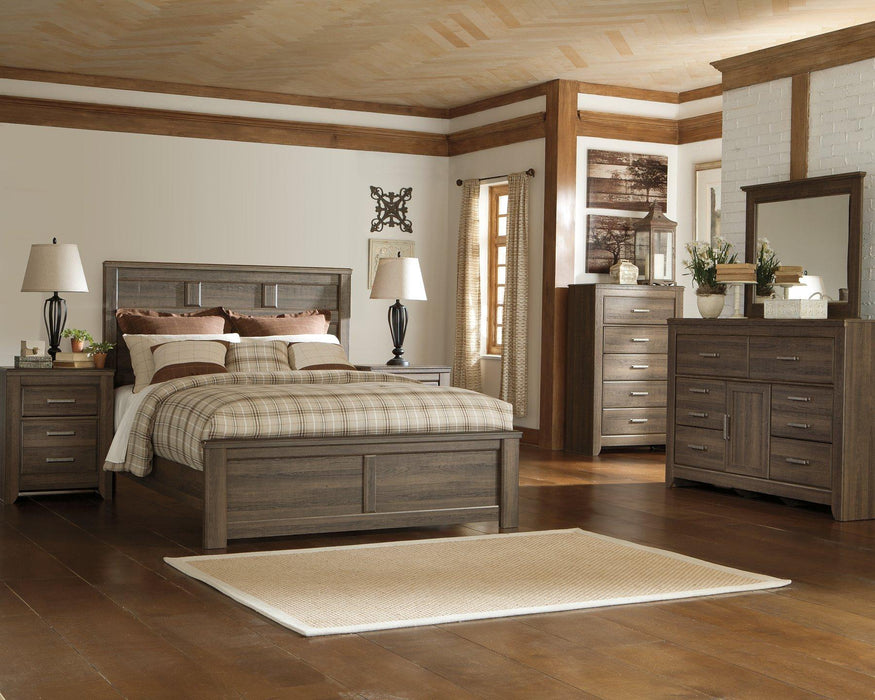
Your bedroom serves as more than just a sleeping space, it’s your personal retreat that impacts daily routines, sleep quality, and overall well-being. Yet most homeowners struggle with furniture arrangements that feel cramped, inefficient, or simply don’t support their lifestyle. Professional interior designers understand that organizing bedroom furniture requires strategic thinking, precise measurements, and an understanding of how people actually use their bedroom space.
The difference between amateur and professional bedroom organization lies in the systematic approach. While most people randomly position furniture based on aesthetics alone, professionals consider traffic flow, functional zones, storage optimization, and the psychological impact of spatial arrangement. This comprehensive guide reveals the exact techniques interior designers use to create bedrooms that are both beautiful and supremely functional.
Whether you’re working with a small bedroom that feels cramped or a master bedroom with awkward proportions, these professional strategies will transform your space into an organized sanctuary that supports every aspect of your daily routine.
Start with Strategic Planning and Measurements
Professional bedroom organization begins long before any furniture moves. Interior designers start every project with comprehensive spatial analysis, and you should too. This systematic approach prevents costly mistakes and ensures your final layout maximizes both function and visual appeal.

Measure your room dimensions, including length, width, and ceiling height, before moving any furniture. Record these measurements precisely—even a few inches can make the difference between a piece fitting comfortably or creating cramped conditions. Professional designers know that accurate measurements prevent the common mistake of purchasing furniture that overwhelms the bedroom space or leaves awkward gaps.
Note locations of windows, doors, electrical outlets, and built-in features like closets. These elements significantly impact furniture placement options and determine your room’s functional constraints. Pay special attention to window placement, as natural light should influence your arrangement decisions rather than being blocked by poorly positioned furniture.
Account for door swing clearances and ensure 36-inch minimum walkways throughout your bedroom. This measurement isn’t arbitrary—it’s based on ergonomic research about comfortable human movement patterns. Professional interior design standards require these clearances to prevent the space from feeling cramped, even when all furniture is in place.
Sketch your room layout on paper or use apps like RoomSketcher or IKEA Place for visualization. Digital tools allow you to experiment with different layouts without the physical effort of moving heavy pieces. Many professional designers swear by this planning phase, as it reveals potential problems before they become expensive mistakes.
List all furniture pieces with their exact dimensions to avoid purchasing mistakes. Include not just length and width, but also height and depth. Consider how much vertical space tall pieces like armoires consume, and ensure you have adequate clearance for drawers to open fully.
Master the Art of Bed Placement
Your bed serves as the bedroom’s focal point and psychological anchor, making its placement the most critical decision in your furniture arrangement. Professional designers treat bed placement as the foundation that determines everything else in the room.
Position your bed as the room’s focal point, ideally on the wall opposite the main entrance. This creates immediate visual impact when entering and follows basic interior design principles about creating compelling sight lines. The wall opposite the door typically offers the most wall space for your headboard while keeping the bed away from high-traffic areas.
Apply feng shui principles by placing the bed in “command position” with clear view of the door. While feng shui might seem mystical, professional designers recognize its practical wisdom about creating spaces that feel safe and comfortable. When you can see the door from your bed without being directly in line with it, you’ll naturally feel more relaxed and secure.
Leave 24-30 inches of space on both sides of the bed for easy access and making beds. This clearance allows two people to get in and out comfortably without disturbing each other. Professional organizers emphasize that adequate space around the bed reduces daily friction and makes bedroom maintenance much easier.
Avoid placing beds directly under windows to prevent drafts and excessive morning light. While this might seem like an attractive option, it often creates temperature control issues and sleep disruption. Instead, position your bed where natural light can illuminate the room without directly hitting your sleeping area.
Consider the bed’s relationship to closets, bathrooms, and other frequently used areas. Your bed placement should support your daily routines, not hinder them. Professional layouts ensure easy access to closet space, bathroom doors, and other essential areas without creating awkward movement patterns.
Optimize Traffic Flow and Movement Patterns
Professional bedroom organization prioritizes how people actually move through the space during daily activities. Unlike amateur arrangements that focus solely on aesthetics, pros understand that poor traffic flow creates daily frustration and makes even spacious rooms feel cramped.
Create clear pathways between door, bed, closet, and dresser with minimum 30-inch clearance. These pathways represent the “highways” of your daily routine—getting dressed, putting away laundry, retrieving items from storage. Professional interior designers map these movement patterns before placing any furniture.
Position furniture to support your daily routines like getting dressed, charging devices, and relaxing. Consider how you actually use your bedroom space throughout the day. Do you get dressed while sitting on the bed? Do you need space to lay out clothes? Professional organizers observe their clients’ habits to create layouts that support, rather than fight against, natural behaviors.

Ensure easy access to electrical outlets for lamps, phone chargers, and other electronics. Modern bedrooms require significant electrical access, and furniture placement should accommodate this reality. Professional layouts position key pieces near outlets to avoid unsightly extension cords stretching across floor space.
Test your layout by walking through daily activities before finalizing furniture placement. This simple step prevents many common mistakes. Walk from the door to your closet, simulate getting dressed, practice your bedtime routine. Professional designers always do this “walk-through” test to identify potential problems.
Keep the path from bed to bathroom completely clear for nighttime safety. This often-overlooked consideration becomes crucial for elderly occupants or anyone navigating the bedroom in darkness. Professional layouts always maintain this clear corridor for safety reasons.
Arrange Large Furniture Pieces First
Professional furniture arrangement follows a specific hierarchy: largest pieces first, then medium pieces, finally small accessories. This systematic approach prevents the common mistake of letting small items dictate where major furniture can be placed.
Start with your bed, then place the largest items like dressers and wardrobes. The bed anchors the entire room design, so it must be positioned first. Once your bed location is established, arrange other large pieces to complement rather than compete with this focal point.
Position tall dressers against solid walls rather than under windows for stability. Beyond structural considerations, this placement maximizes wall space usage while keeping window areas open for natural light. Professional organizers understand that tall furniture can overwhelm rooms when poorly positioned.
Place heavy furniture away from high-traffic areas to prevent damage and improve flow. Large pieces like dressers and armoires should occupy “quiet” zones of the bedroom where they won’t interfere with daily movement patterns. This placement also reduces wear and tear from accidental contact.
Balance visual weight by distributing large pieces evenly around the room perimeter. Clustering all heavy furniture on one side creates visual imbalance and can make rooms feel lopsided. Professional designers distribute furniture weight to create harmony and prevent any single area from feeling overwhelmed.
Consider moving dressers inside walk in closets to free up valuable bedroom floor space. This advanced technique dramatically opens up smaller bedrooms while maintaining storage capacity. If you have adequate closet space, relocating storage furniture creates room for additional seating, work areas, or simply more open floor space.
Create Functional Zones Within Your Bedroom
Professional bedroom organization recognizes that modern bedrooms serve multiple functions beyond sleeping. Creating distinct zones for different activities maximizes both functionality and psychological comfort by providing appropriate settings for various daily activities.
Establish a sleep zone centered around your bed with matching nightstands and task lighting. This zone should feel calm, uncluttered, and dedicated specifically to rest and relaxation. Professional designers ensure the sleeping area remains free from work-related items or exercise equipment that might disrupt mental associations with rest.
Design a dressing area near your closet with a full-length mirror and adequate lighting. This zone supports the daily ritual of getting dressed and should include convenient storage for frequently used accessories. Position this area to take advantage of natural light when possible, as artificial lighting can distort color perception when selecting clothing.
Set up a reading nook in a corner with a comfortable chair, side table, and adjustable floor lamp. Even small bedrooms can accommodate a reading corner that provides an alternative to lying in bed for relaxation activities. This zone helps maintain healthy sleep hygiene by giving you a comfortable non-bed location for reading or quiet contemplation.

Include a work zone if needed, positioned away from the bed to maintain healthy sleep boundaries. If your bedroom must accommodate a desk, place it where the bed won’t be visible from the work area. This physical separation helps maintain the psychological boundary between work and rest, crucial for good sleep hygiene.
Use area rugs to visually define each zone and create cohesive spaces within the larger room. Rugs provide visual boundaries without physical barriers that might impede natural light or air circulation. Professional designers use rugs strategically to create intimate spaces within larger rooms while maintaining openness.
Optimize Your Sleep Zone
Choose nightstands that match your mattress height for easy access to essentials. The standard recommendation is nightstands 2-6 inches shorter than your mattress top, creating comfortable reach without requiring awkward stretching. This seemingly small detail significantly impacts daily comfort and convenience.
Select nightstands with drawers or shelves to minimize surface clutter. Professional organizers prioritize hidden storage in the sleep zone to maintain visual calm. Drawer space allows you to keep essential items within reach while preventing the cluttered appearance that can disrupt restful feelings.
Position bedside tables 24-27 inches above the mattress for optimal reading light. This specific height ensures adequate illumination for reading while preventing harsh glare. Professional lighting designers understand that proper task lighting height prevents eye strain and creates a comfortable ambiance.
Keep charging stations organized with cord management solutions and designated device spots. Modern bedrooms require electrical access for phones, tablets, and other devices. Professional organizers create specific charging areas that prevent tangled cords from cluttering nightstand surfaces.
Design an Efficient Dressing Area
Position a full-length mirror perpendicular to windows for natural light without glare. Natural light provides the most accurate color representation for clothing selection, but direct sunlight creates harsh reflections. Professional designers angle mirrors to capture daylight while avoiding problematic glare.
Add a small dresser or storage ottoman for seating while putting on shoes or getting dressed. This practical addition transforms your dressing area from a standing-only zone into a comfortable space that supports the entire dressing process. Storage ottomans provide dual functionality by hiding seasonal items or accessories.
Include a laundry basket or small dish for jewelry, watches, and pocket items near the mirror. These small organizational touches prevent valuable items from becoming misplaced while creating designated homes for daily accessories. Professional organizers understand that convenience drives good organizational habits.
Ensure adequate clearance around the mirror area for comfortable movement and outfit changes. Allow at least 36 inches in front of mirrors for comfortable movement while trying on clothing. This space might seem excessive, but it prevents the cramped feeling that makes dressing areas less functional.
Maximize Storage with Smart Furniture Choices
Professional bedroom organization prioritizes storage space without sacrificing style or function. The key lies in selecting furniture pieces that serve multiple purposes while maintaining the room’s aesthetic appeal.
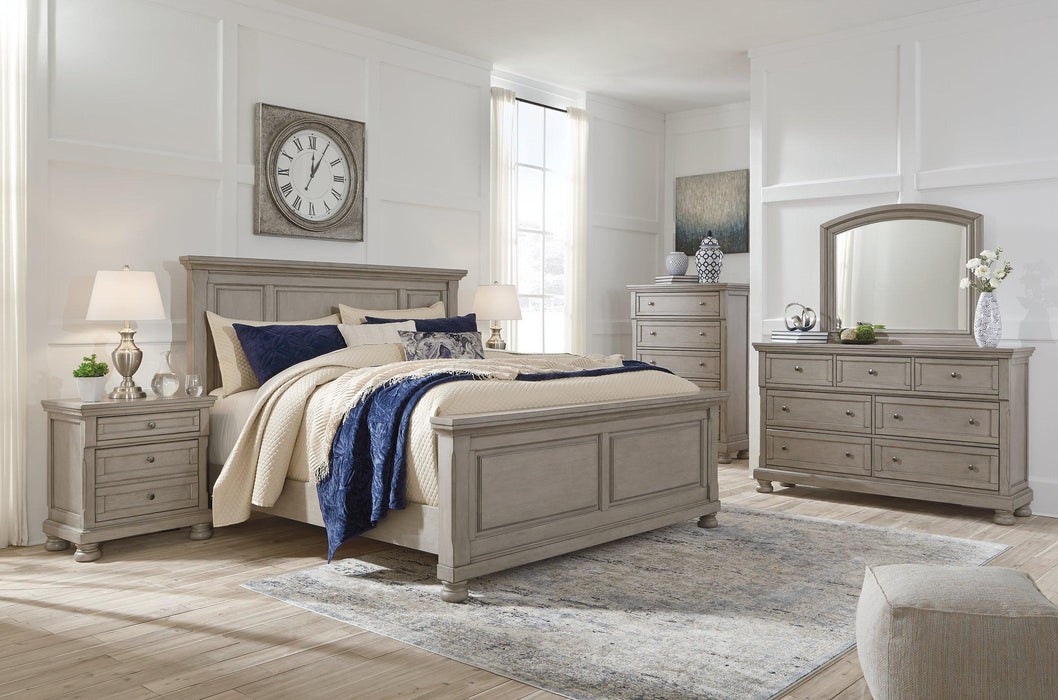
Select bed frames with built in storage or under-bed storage space for linens and seasonal items. Storage beds provide approximately 8 cubic feet of additional storage—equivalent to a small dresser—without consuming any extra floor space. This solution works particularly well for storing bulky items like comforters, blankets, and out-of-season clothing.
Choose multi-functional furniture like storage ottomans, benches with hidden compartments, or desks with drawers. Every piece of bedroom furniture should earn its space through multiple functions. Professional organizers favor pieces that provide seating and storage, or surfaces that include hidden compartments for maintaining clutter free space.
Install floating shelves on empty wall space to display books and decorative items without using floor space. Wall-mounted storage solutions maximize vertical space while keeping floor areas open and uncluttered. Professional designers recommend shorter shelves (12-18 inches) near beds for essential items, with longer shelves (24-36 inches) elsewhere for books and displays.
Use wall-mounted nightstands in small bedrooms to free up floor space and create visual lightness. These solutions work particularly well in narrow bedrooms where traditional bedside tables might impede traffic flow. Wall-mounted options provide essential bedside storage while maintaining the illusion of more room.
Add a storage ottoman at the foot of the bed for extra blankets, pillows, or out-of-season clothing. This placement provides additional seating when needed while storing items that might otherwise clutter closet space. Professional organizers recommend ottomans slightly shorter than mattress height for visual proportion.
Perfect Your Lighting Strategy
Professional bedroom design employs layered lighting that serves both functional and aesthetic purposes. Unlike amateur approaches that rely on a single overhead fixture, pros create lighting systems that adapt to different activities and times of day.
Layer three types of lighting: ambient overhead lighting, task lighting for reading, and accent lighting for mood. Ambient lighting provides general illumination for moving around safely. Task lighting supports specific activities like reading or working. Accent lighting creates atmosphere and visual interest through decorative fixtures or architectural highlighting.
Install dimmer switches to adjust lighting levels from energizing morning light to relaxing evening ambiance. Dimmer controls allow your lighting to adapt to natural circadian rhythms, supporting alertness during morning routines and relaxation during evening wind-down periods. Professional lighting designers consider these biological factors when planning bedroom illumination.
Add wall-mounted sconces to free up nightstand surface space while providing targeted reading light. Wall-mounted task lighting eliminates the need for bulky table lamps while providing superior light positioning for reading. This approach maintains clean bedside tables while improving lighting functionality.
Position table lamps with the bottom of lampshades at eye level when sitting up in bed. This specific positioning ensures a comfortable reading light without glare. Professional lighting designers understand that improper lamp height causes eye strain and makes bedside activities less comfortable.
Use LED bulbs with adjustable color temperature to support natural sleep cycles. Modern LED technology allows you to adjust light color from energizing daylight (5000K) to relaxing warm light (2700K). Professional lighting designers use this technology to support healthy sleep patterns.
Fine-Tune Your Organization System
Professional bedroom organization extends beyond initial furniture placement to include ongoing maintenance systems that preserve order and functionality. These systems prevent the gradual deterioration that turns organized spaces back into cluttered ones.
Implement the “one-in, one-out” rule to prevent the accumulation of unnecessary items in the bedroom. For every new item entering your bedroom—whether clothing, books, or accessories—remove one existing item. Professional organizers rely on this principle to maintain optimal item density without periodic major reorganizations.
Use drawer dividers and small containers to keep nightstand contents organized and easily accessible. Professional organization systems assign specific homes for every item, preventing the random accumulation that leads to cluttered surfaces. Drawer dividers create designated spaces for different categories of items.
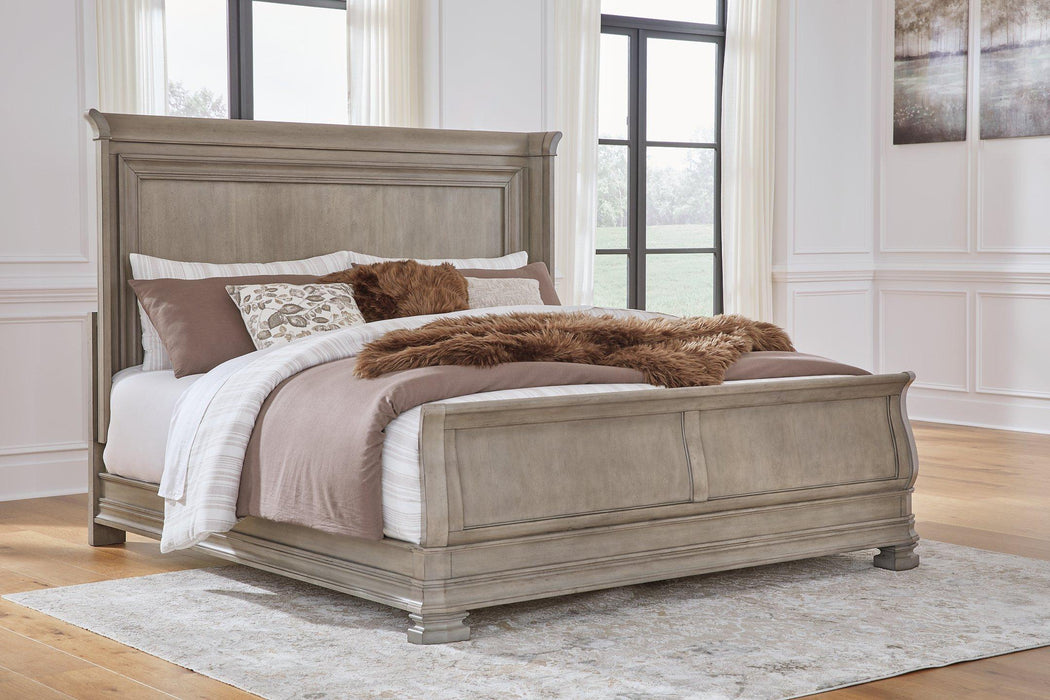
Designate specific homes for frequently used items like glasses, books, medications, and electronics. Professional organizers understand that convenience drives habit formation. Items used daily should have dedicated, easily accessible storage locations that support rather than hinder daily routines.
Create a small staging area near the bedroom entrance for items that need to go elsewhere in the house. This prevents the bedroom from becoming a collection point for items that belong in other rooms. Professional organizers use this technique to maintain clear boundaries about what belongs in bedroom space.
Schedule monthly decluttering sessions to maintain your organized bedroom furniture arrangement. Professional organization requires ongoing attention rather than one-time effort. Monthly reviews allow you to address small problems before they become major reorganization projects.
Add Professional Finishing Touches
The difference between amateur and professional bedroom organization often lies in the finishing details that create visual cohesion and psychological comfort. These final touches transform a functionally organized space into a truly welcoming bedroom environment.
Place area rugs that extend at least 24 inches beyond the sides and foot of your bed. This measurement creates visual anchoring that makes the bed feel properly proportioned within the room. Professional designers use rugs to define the sleeping area while creating warmth and texture underfoot.
Hang artwork above the headboard at 6-12 inches above the mattress for proper proportion. This specific spacing creates a visual connection between the bed and the wall art without overwhelming the headboard. Professional designers understand that artwork height significantly impacts visual balance and room proportion.
Add plants like snake plants or pothos that thrive in bedroom conditions and improve air quality. Indoor plants provide natural air filtration while adding life and color to organized spaces. Professional organizers choose low-maintenance varieties that contribute to healthy indoor environments.
Layer textiles with throws, decorative pillows, and window treatments in coordinating colors and textures. Professional designers use textiles to create visual warmth and comfort while maintaining organized aesthetics. Coordinated fabrics unify different furniture pieces into a cohesive design scheme.
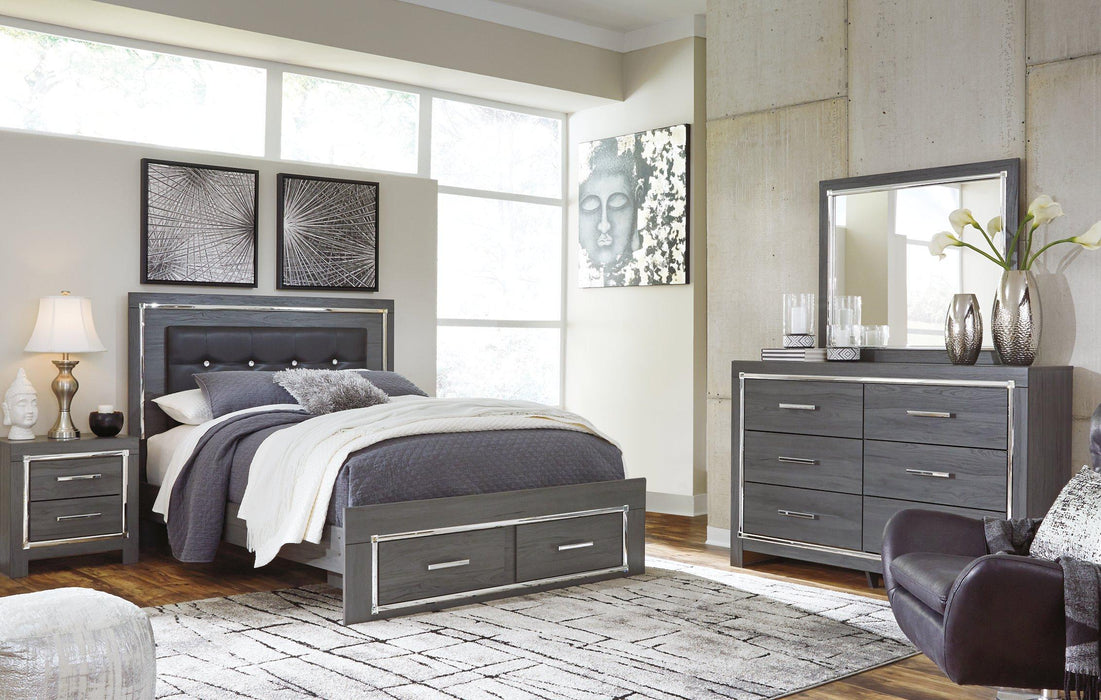
Maintain symmetry with matching lamps, pillows, or artwork on either side of the bed for visual balance. Symmetrical arrangements create psychological calm and visual order that supports the bedroom’s restful function. Professional designers balance symmetry with functionality to create pleasing yet practical arrangements.
Professional bedroom organization transforms chaotic spaces into functional sanctuaries that support every aspect of daily life. By following these systematic techniques—from strategic planning through professional finishing touches—you can create a bedroom that rivals those designed by interior designers.
The key to lasting success lies in treating organization as a system rather than a one-time project. Start with proper measurements and planning, establish clear zones for different activities, maximize storage space through smart furniture choices, and maintain your organized bedroom through consistent habits.
Remember that a professional organization prioritizes function first, then enhances it with beautiful design elements. Your bedroom should work seamlessly for your daily routines while providing the visual calm that supports restful sleep.
Begin implementing these professional strategies today to create your perfectly organized bedroom sanctuary. Focus on one area at a time—perhaps starting with bed placement and traffic flow optimization—then gradually incorporate additional techniques as you see the transformative results of professional organization principles.
Shop At Furniture World SW Today!
Organizing your bedroom furniture doesn’t have to be overwhelming. We know that a well-arranged space can make your room feel more spacious, functional, and relaxing. With a few strategic choices, you can create a layout that maximizes both comfort and style.
Start by positioning your bed as the focal point and arranging other pieces around it for easy flow. Our team often reminds customers to consider storage solutions, like dressers and nightstands, that keep essentials within reach while reducing clutter.
When you’re ready to transform your bedroom, we’re here to help you plan and choose the right pieces. At Furniture World SW, we offer furniture that combines practicality, design, and comfort to help you organize your bedroom like a pro.