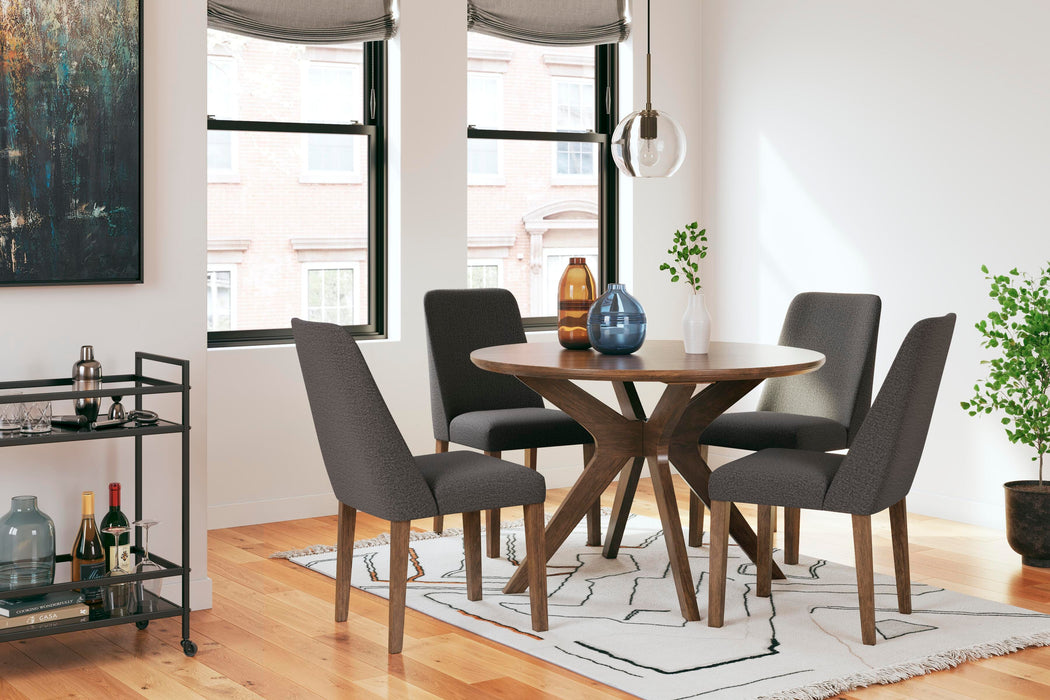
Shopping for dining room furniture can feel like navigating a maze of price tags, materials, and style options. Whether you are furnishing your first house or upgrading an existing dining space, this guide breaks down every decision into manageable steps so you can sit down to dinner at a table you love, without financial regret.
Key Takeaways
-
You will learn how to choose a dining room table, chairs, and storage pieces that fit your space and style without overspending, covering realistic budget ranges under $500, $500–$1,500, and $1,500+.
-
The guide walks through setting a realistic budget, deciding what to prioritize (materials vs. size vs. style), and identifying where to save vs. where to invest for the best long-term value.
-
Specific tips cover measuring your dining room, picking the right table size and shape, recognizing good quality in solid wood vs. veneer, and comparing new, flat-pack, and secondhand dining furniture.
-
You will find concrete price examples for 2024–2026, a step-by-step buying checklist, and answers to common budget questions so you can plan with confidence.
Start With Your Budget and Dining Room Reality
If you have ever browsed for a dining table online and seen prices range from $199 to $5,000 for what look like similar pieces, you are not alone. The furniture market has shifted significantly in recent years. According to the Bureau of Labor Statistics, prices for kitchen and dining room furniture in the U.S. rose about 25% since early 2020, driven by supply-chain disruptions and tariffs. On top of that, tariffs of 30–50% on imported furniture and cabinetry in 2025 have pushed costs even higher. Knowing this context helps you set expectations before you start shopping.
Before you open a single browser tab, write down a total budget for the entire dining area, not just the table. This number should cover the dining room table, chairs, a rug if needed, lighting, and any storage. A practical allocation rule:
-
50–60% for the dining table
-
30–40% for dining chairs or a bench
-
10–20% for accessories, storage, and decor
Next, define how you actually use your dining room. Is it where the family eats breakfast and dinner every day? A multipurpose space for homework, food prep, and remote work? A formal room reserved for friends and guests on holidays? Daily-use dining rooms demand more durable materials and forgiving finishes than a room used only to entertain a few times a year.
Write a quick list of "must-haves" vs. "nice-to-haves." For a growing family, a must-have might be seating for six every day, while a sideboard for extra storage is a nice-to-have you can add later. This simple exercise prevents impulse buys that blow past your budget.
Measure Your Dining Room Before You Spend a Dollar
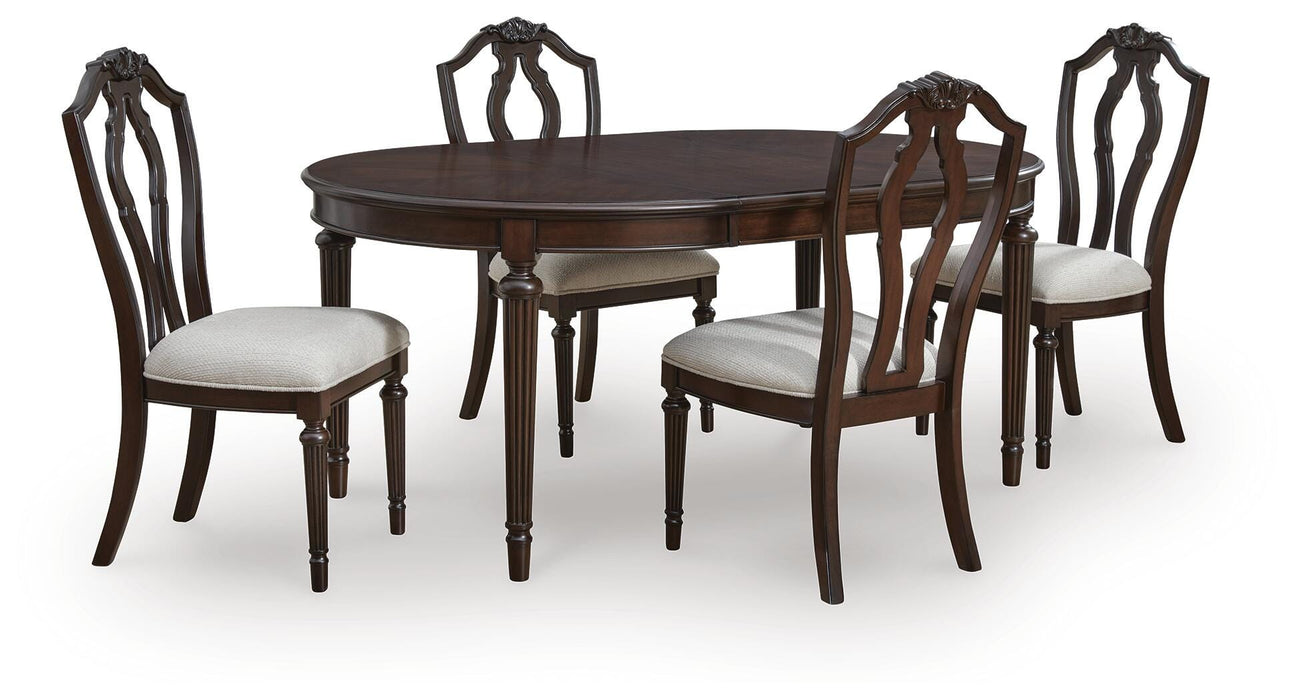
Skipping measurements is the fastest way to waste money on furniture that does not fit. Grab a tape measure and spend five minutes before you spend five hundred dollars.
-
Measure the length and width of your dining room or dining area in feet. Sketch the floor plan on paper, marking doors, windows, and any built-ins.
-
Subtract 6 feet from the room dimensions for the table size. This leaves about 3 feet (36 inches) of clearance on each side for chairs and walkways. Ensure 36 inches of space between the table and walls for comfortable movement.
-
Concrete example: In a 12-by-10-foot room, your maximum table footprint is roughly 6 by 4 feet (72 by 48 inches). In a 10-by-10-foot square room, a 42–48-inch round table works better.
-
Account for two feet of space around the table for comfort at a bare minimum, though 3 feet is ideal for pulling chairs back and walking behind seated guests.
-
Leave 36 inches of clearance around the table for comfort when people are seated, and others are moving through.
-
Check leg clearance: aim for 10–12 inches (25–30 cm) between the top of the seat cushion and the underside of the table or apron.
-
Try the painter's tape trick: outline the table's footprint on the floor and live with it for a few days. You will quickly discover whether your family can move around it during breakfast and dinner.
Decide on Dining Table Size and Shape for Your Space
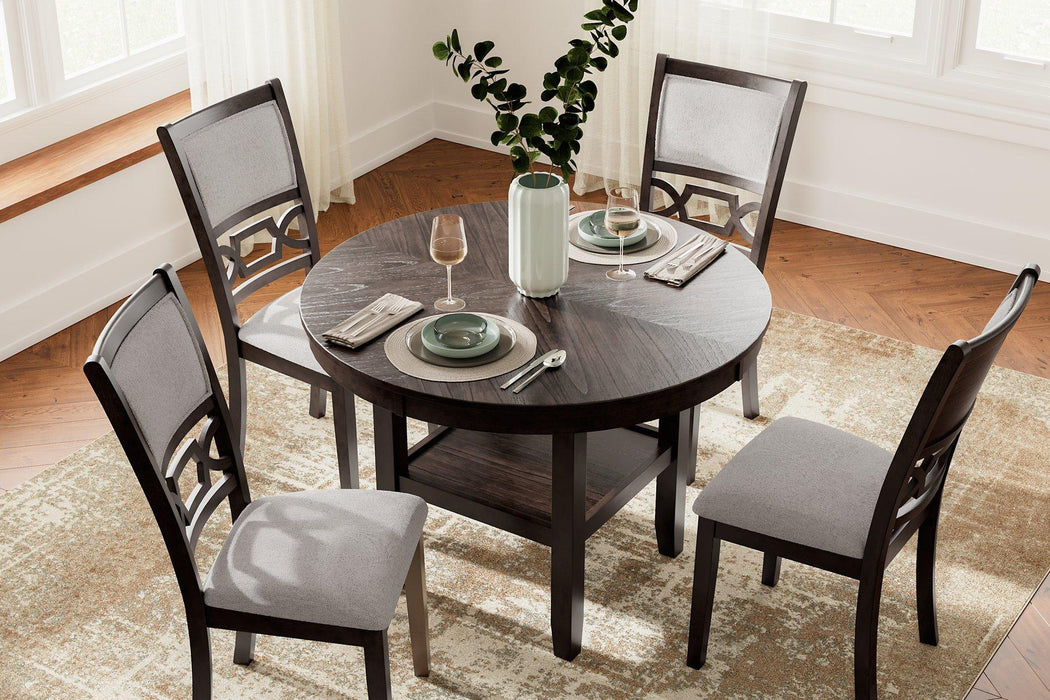
The dining room table is usually the single biggest investment in the room, so decide on its size and shape first. Everything else-chairs, rugs, lighting-follows from that choice.
Common seating capacities and dimensions:
-
A 36–48 inch round table typically seats 2–4 people.
-
A 60–72 inch rectangular dining table seats 4–6 comfortably.
-
An 84–96 inch table can seat up to eight people, depending on chair width.
Plan for 24–30 inches of table space per person for dining, and each diner needs 22 to 24 inches of table edge space so elbows are not bumping. Estimate seating for your regular household members plus one or two extra spots for guests. Traditional dining tables often feature expandable designs for gatherings, and extension tables can accommodate larger gatherings when needed, making them ideal for homes that host holiday dinners but do not need a massive table every day.
Matching the shape to the room shape matters. Rectangular tables suit long, narrow rooms best, and many tables in this format come with extension leaves. Oval tables soften a rectangular silhouette and work well in transitional style rooms. Round tables provide more space to move around, and round or pedestal tables improve traffic flow in small spaces, perfect for a square dining area. A square table seats four neatly in a compact room.
Budget implications: a larger dining set costs more upfront and demands more chairs and a bigger rug. If your budget is tight, prioritize a slightly smaller, higher-quality table over a very large, lower-quality one. Benches can increase seating capacity on one side of a rectangular table without needing extra floor space, making them a budget-friendly option for growing families.
Match Dining Table Materials to Your Budget and Lifestyle
Material choice determines price, longevity, and daily maintenance. Here is what to expect across common options:
Solid wood is the gold standard for durability. Solid wood dining furniture can last over 20 years with proper care. High-quality wood species include oak, walnut, and cherry. On the Janka hardness scale, hard maple rates around 1,450 lbf and white oak around 1,360 lbf-both resist dents well. Wood tables are easier to repair than plastic or laminate because you can sand and refinish the smooth surface. Rustic dining styles emphasize natural wood grain and textures, while contemporary dining tables often use materials like maple or cherry wood for a sleeker look. Expect to pay more for real wood, but it is an investment that can move with you through life.
Wood veneer over engineered wood (plywood or MDF core) offers the appearance of wood dining furniture at a lower price. Engineered wood or wood veneer offers good value and appearance, but veneer surfaces are less durable than solid wood. Veneer surfaces may not last as long as solid wood, typically 8–15 years versus 15–20+ years. Avoid deep sanding and watch for peeling edges on very cheap pieces. Avoid particle board when selecting furniture materials, as it swells with moisture and breaks down quickly.
Laminate, metal, and glass options can come in under $300 for small sizes. They offer easy-to-clean surfaces and modern aesthetic preferences, but they may feel less warm or "heirloom quality." Glass shows fingerprints; metal frames need quality powder coating to prevent rust.
Softer woods like rubberwood (~960 lbf), pine, or mango wood are more affordable but dent more easily. Mango wood is softer and less durable than oak or walnut, making it better suited for light use or secondary dining areas.
For families with kids or pets, favor mid-toned wood or textured surfaces that hide scratches rather than very dark or glossy tabletops that show every mark.
How to Tell if Dining Furniture Is Good Quality (Without Blowing Your Budget)
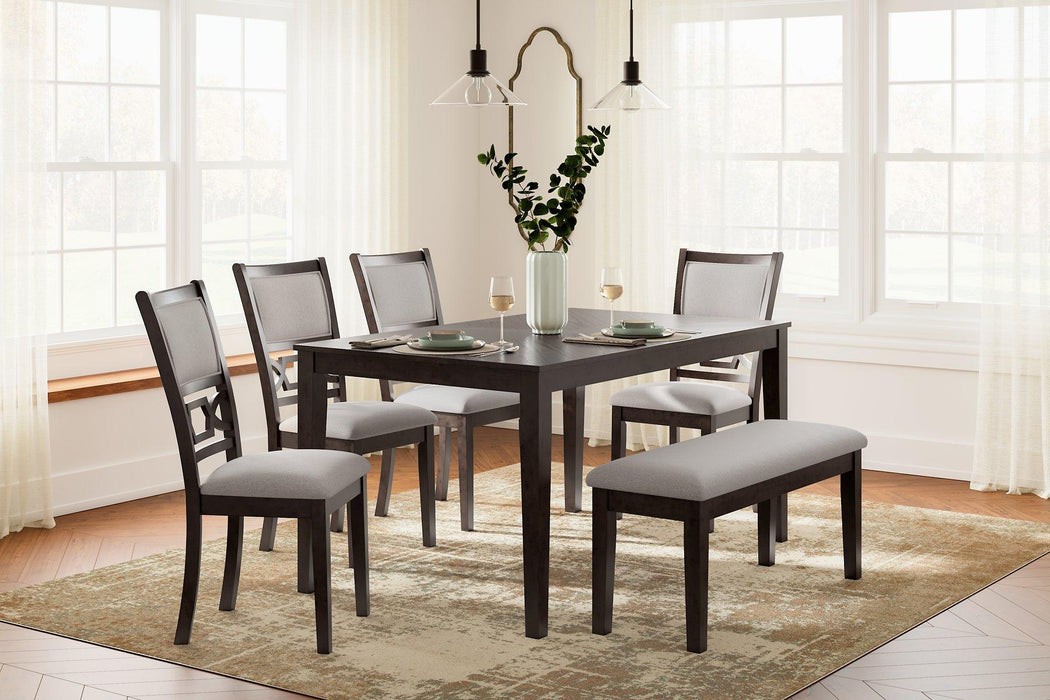
Even at lower price points, construction details separate quality pieces from fast furniture that will wobble within a year. Quality dining furniture should not wobble or creak-test this before buying.
-
Stability test: Gently rock the dining table and chairs in the store or upon delivery. Sit at each side. All legs should touch the floor evenly.
-
Underside inspection: Flip the table (or crouch beneath it). Look for solid joinery-mortise-and-tenon joints, dowels, corner blocks, or substantial cross braces. Minimal use of flimsy metal brackets or visible staples is a good sign.
-
Chair quality: Check the underside and back of chairs for consistent materials and neat workmanship rather than rough, splintery wood or mismatched veneers.
-
Storage pieces: Drawers in dining storage furniture should slide smoothly and feel secure. On a tight budget, simple open shelves can be a better value than poorly built drawers.
-
Look for sturdy construction over decorative details in furniture. Prioritize solid wood or metal frames for furniture durability. Shoppers under about $500 for a table should focus on structural integrity and simple designs rather than ornamental features that may compromise strength.
Buy New, Flat-Pack, or Secondhand? Pros and Cons for Your Wallet
There is no single "best" way to buy dining room furniture. The right choice blends budget, time, and how long you plan to keep the pieces.
New, ready-made dining sets offer warranties, consistent style, and easier returns. However, at low price points, many retailers prioritize looks over durability. A 2026 market report found that fast furniture and budget lines are increasingly discounted as supply grows, so patience can pay off.
Flat-pack and self-assembly dining tables and chairs save money and shipping costs. The trade-off is that assembly quality directly impacts longevity. Skipping steps or using improper hardware creates weak joints. If you go this route, follow instructions carefully and retighten bolts after a few weeks.
Secondhand options offer some of the best value. Buying secondhand often results in high-quality, lightly used furniture. Thrift stores are excellent for finding solid wood furniture built with denser woods and better craftsmanship than many new budget pieces. Consignment shops often have curated used items in good condition. Look for gently used furniture on online marketplaces like Facebook Marketplace, estate sales, or local classifieds. Solid wood dining furniture from the mid-century or earlier decades can often be found between $100–$600.
Tips for inspecting secondhand dining tables:
-
Check for major cracks in the top or legs.
-
See if the extension leaves slide in and out smoothly.
-
Bring a tape measure to ensure the piece fits your room.
-
Factor in minor repair or refinishing costs-sanding and restoring a table over a weekend may cost $50–$100 in supplies, far less than buying a comparable new piece.
Where to Spend More and Where to Save
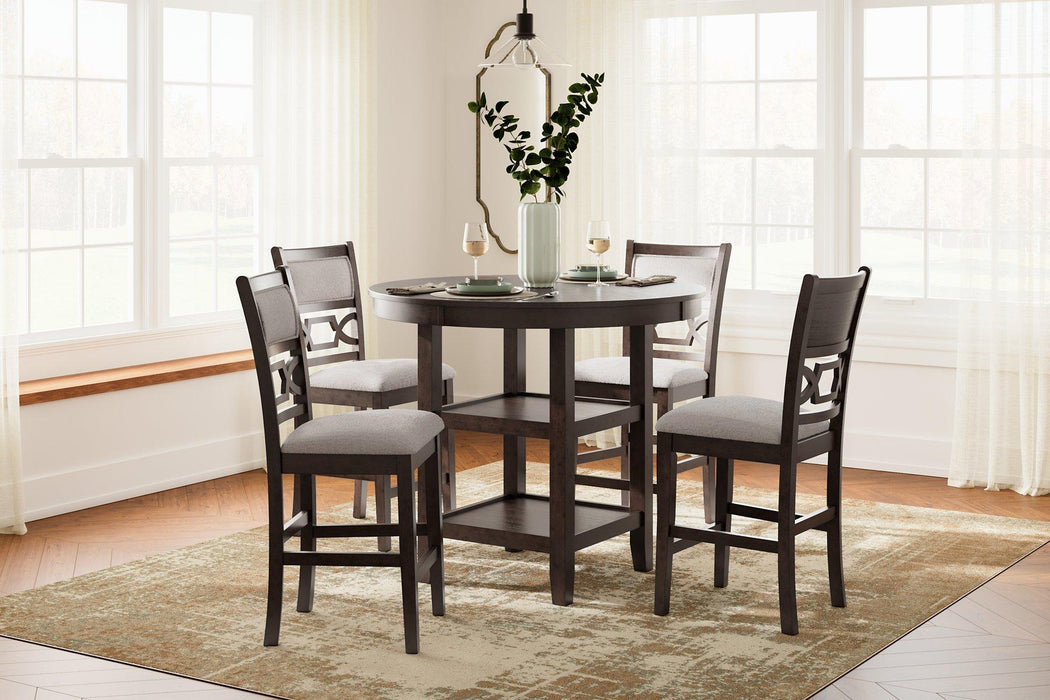
Not every element of a dining room needs to be top-tier. Strategic spending keeps the overall cost in range.
-
Spend more on the dining table. If it will be used daily, a strong, stable table can outlast several sets of chairs. This is where high-quality materials pay off over the life of the piece.
-
Save on chairs. Mixing different chairs with a table can personalize the look and reduce costs. Combine sturdy, inexpensive side chairs with one or two more distinctive end chairs. Mixing different chair styles adds uniqueness to your dining set without requiring a full designer dining room set.
-
Save on accessories. Rugs, lighting, and wall decor are budget-flexible and easier to replace later. Buy simple, neutral basics first and upgrade over time. Accessorizing can instantly change the look of your dining set.
-
Secondhand storage. Buffets, china cabinets, and sideboards can often be found secondhand for a fraction of the cost of new, then refreshed with paint, new hardware, or baskets.
A good "splurge vs. save" combination: a mid-range solid wood dining table paired with low-cost, easy-to-clean dining chairs and a basic flat-weave rug.
Stretch Your Budget With Smart Shopping Tactics
Timing and strategy can significantly reduce the final price of dining room furniture without sacrificing quality.
-
Shop seasonal sales. Furniture retailers commonly provide sales around holidays. Furniture retailers discount items around holiday weekends like Memorial Day and Labor Day. Retailers often offer deep discounts in January and late August during clearance events.
-
Compare total cost. Check prices across several retailers and watch for bundled offers that include both a dining table and chairs or free shipping. The sticker price is not the whole story.
-
Sign up for newsletters. Store rewards programs and first-time buyer discounts can shave 10–15% off your order.
-
Understand return policies. Typical return windows are 30 days. Know who pays return shipping on large dining room furniture-some retailers offer white-glove delivery and returns, others do not.
-
Consider open-box or floor models. Open-box dining tables and chairs can offer substantial savings when minor blemishes are acceptable. Inspect them carefully in the store before committing.
Plan for Assembly, Delivery, and Long-Term Care
Your budget needs to include the "hidden" costs of getting dining furniture into your house and keeping it in good shape. Professional assembly and full-service delivery can be an added benefit of convenience but may run 10–25% of the furniture price. For heavy solid wood dining tables, it can be worthwhile. Dining furniture should be assembled properly for stability; skipping steps leads to wobbles and a shortened lifespan.
DIY assembly checklist:
-
Clear the room and organize all hardware before starting.
-
Follow instructions step-by-step; do not skip any bolts or braces.
-
Re-check all connections after a few weeks of regular use.
Low-cost care tips:
-
Use placemats and coasters to protect dining surfaces from heat, moisture, and scratches.
-
Put felt pads under chair legs to prevent floor damage.
-
Use mild, surface-appropriate cleaners-no harsh chemicals on wood finishes.
Realistic lifespans:
|
Material
|
Expected Lifespan
|
|
Solid hardwood (well-maintained)
|
15–20+ years
|
|
High-quality veneer over plywood
|
8–15 years
|
|
Laminate
|
5–10 years
|
High-quality dining furniture can last over 20 years when cared for properly. Regular tightening of chair screws and occasional re-oiling or waxing of wood surfaces can extend the life of even budget-friendly pieces significantly.
Designing a Stylish Dining Room on a Budget
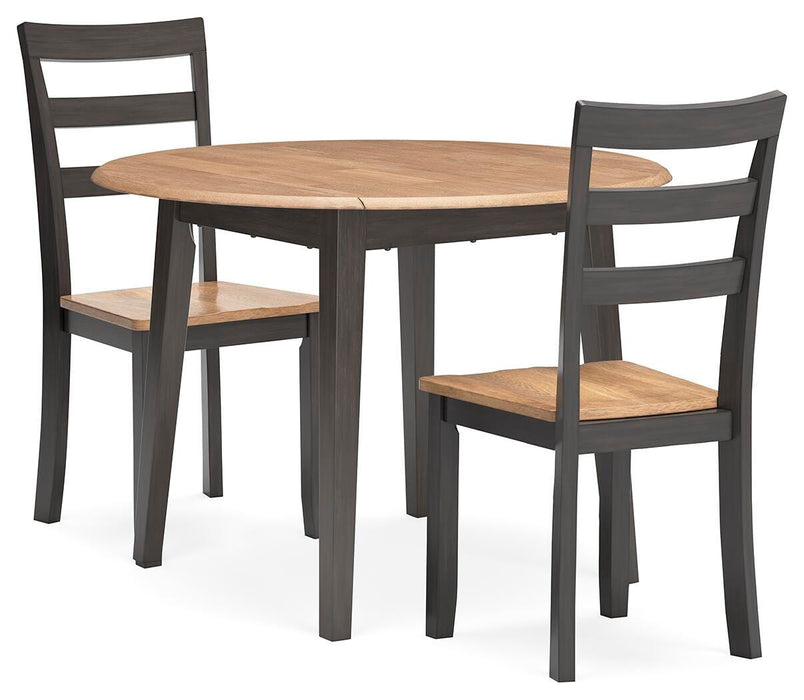
Good design is not only about expensive pieces-it is about coordination, color, and proportion. Choosing a dining table style should match your home's overall design, whether that is modern, farmhouse, rustic, or contemporary.
-
Choose a simple, timeless dining table design. A clean-lined rectangular wood dining table in a neutral tone works across many styles. Use textiles, lighting, and wall decor to express personality.
-
Custom dining furniture allows mixing and matching styles, and eclectic dining styles allow mixing different furniture pieces for uniqueness. Keep some common element, like a wood finish or seat height, so the set still feels cohesive.
-
Budget-friendly decor additions: a neutral rug under the dining table sized so chairs rest on it when pulled out, an overhead pendant, and one focal point like framed art or a large mirror.
-
For small dining rooms, a round dining table eases traffic flow. Slim wall shelves suit the space better than bulky cabinets for extra storage.
-
Choosing a table that fits your style enhances your dining area more than any single expensive purchase.
Do not rush. Build the dining room over several months-start with the table and essential chairs, then add pieces as the budget allows.
Sample Budget Scenarios (2024–2026)
To help you visualize what is realistic, here are three scenarios based on current market prices.
Starter Budget ($500–$700): A compact 42-inch round table in laminate or veneer, four simple side chairs, a basic ceiling light, and table linens. You might include a secondhand shelf or small cabinet for storage. Trade-off: you get a functional dining set with a shorter material lifespan, but the room works.
Mid-Range ($1,000–$1,500): A solid or high-quality veneer wood dining table seating six (possibly with an extension leaf), six wood or upholstered dining chairs, a flat-weave rug, and a simple sideboard, potentially secondhand. Here, you balance good quality materials with comfort and some stylistic personality. Interior designers often recommend this range as the sweet spot for daily-use rooms.
Investment Tier ($2,000–$3,000+): A high-quality, solid wood table built with strong joinery and expected to last 15+ years. Mix statement end chairs with simpler side chairs. Add durable storage furniture that can move with the family to new homes. Expert advice generally supports spending more here if you plan to keep the furniture for a decade or longer-the cost per year drops dramatically.
Step-by-Step Checklist: From Idea to Installed Dining Set
-
Measure your dining room and sketch a floor plan.
-
Set a total budget and allocate percentages for table, chairs, and accessories.
-
Define seating needs: regular household members plus 1–2 for guests.
-
Decide on table size and shape based on room dimensions.
-
Choose materials that suit your lifestyle, budget, and aesthetic preferences.
-
Compare new, flat-pack, and secondhand options across price ranges.
-
Research options both online and in-store; read reviews focused on wobble, finish durability, and assembly difficulty.
-
Perform quality checks: stability tests, underside inspection, and leg evenness.
-
Confirm shipping, delivery, return terms, and total cost before purchase.
-
Plan assembly day: clear space, organize hardware, follow instructions.
-
Protect floors and tabletops with felt pads, placemats, and coasters from day one.
-
Schedule a follow-up check after 2–3 weeks to retighten any loosened hardware.
FAQ
How much should I realistically spend on a dining table in 2024–2026?
A small, serviceable dining table can be found for under $300, especially in laminate or flat-pack formats. A durable mid-range wood or veneer table for everyday use typically falls between about $400 and $1,200. Higher-end solid wood tables-oak, walnut, cherry-often start around $1,200 and can go well above $2,000. Choose the highest-quality table you can afford within your overall dining room budget, especially if you expect to keep it for 10 years or longer.
Is it better to buy a dining set or mix and match table and chairs?
Buying a complete dining room set can be simpler and sometimes cheaper due to bundle pricing. However, mixing tables and chairs allows more flexibility, better use of space, and the chance to invest more in the table while saving on chairs. Budget-conscious shoppers should consider a solid or sturdy table first, then add chairs over time or combine inexpensive side chairs with secondhand or statement end chairs to create a stylish, personalized look.
Can I use a kitchen table as my main dining room table to save money?
Absolutely. A kitchen table can serve as the main dining room table as long as it fits the space and seats enough people comfortably. Check that the size and style feel appropriate for the room. Adding a rug, nicer chairs, or a centerpiece can make a modest kitchen-style table look more suited for dinner with friends and family.
What is the minimum space I need for a small dining area?
A small 2–4 person dining setup with a round or square table typically needs at least about 6-by-6 feet of clear floor area, with 3 feet of walking and chair space on all sides. Use benches or chairs that tuck fully under the table and place the dining area near a wall or window to make the most of limited square footage.
How do I know if a secondhand dining table is worth refinishing?
A secondhand table is a good candidate for refinishing if it feels heavy and solid, shows no major structural damage (cracks, split legs), and has a genuine wood surface rather than a thin plastic-like laminate. Lightly scrape an inconspicuous area to see if the wood grain continues under the finish. Estimate whether the time and cost of supplies-typically $50–$100 for sandpaper, stain, and polyurethane-are reasonable compared to buying a new piece of similar quality.
Discover Dining Room Furniture at Furniture World SW
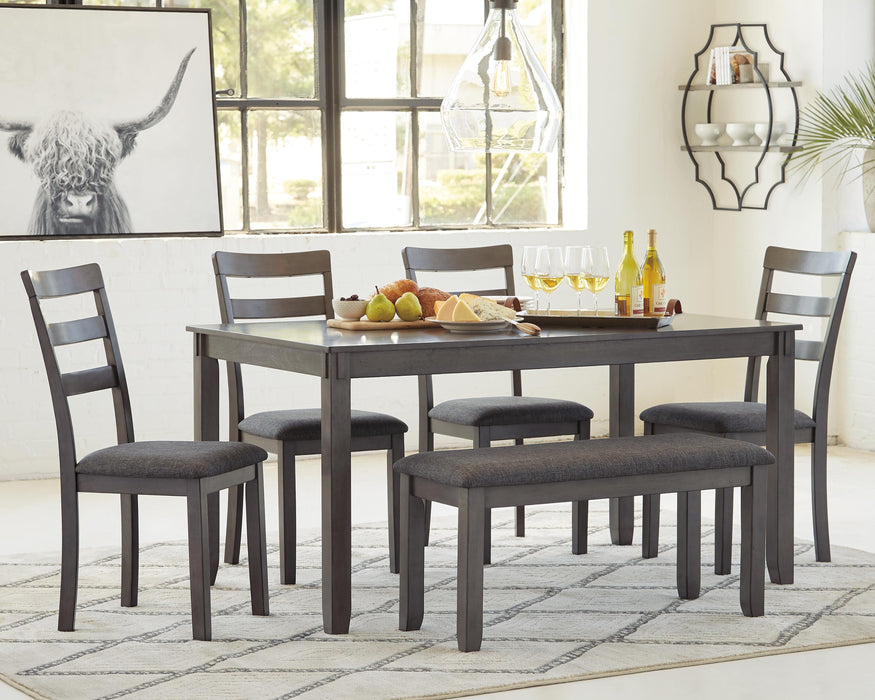
Enhance your home with Dining Room Furniture at Furniture World SW, featuring quality pieces that combine style, comfort, and everyday functionality. Whether you're looking for a modern dining table, comfortable chairs, a complete dining set, or storage furniture, you'll find options that fit your space and lifestyle.
Visit Furniture World SW today to browse our Dining Room Furniture collection and find the perfect furnishings for your home. Our knowledgeable team is here to help you choose pieces that complement your décor, fit your budget, and create a welcoming space for family meals and special gatherings.