Key Takeways
-
The best bedroom furniture for a shared bedroom is compact, multi-functional, and uses vertical space, such as bunk beds, loft beds, storage beds, and wall-mounted desks.
-
When selecting furniture for a shared bedroom, prioritize multifunctional space-savers and ensure at least 24-30 inches of walking clearance around each piece.
-
Small shared bedrooms work best when sleeping, storage, and study zones are combined in one footprint.
-
You do not need identical sets to match bedroom furniture; coordinated colors, proportions, natural wood, and neutral tones are enough.
-
Privacy can come from smart layout choices, curtains, bookcases, color blocking, and other shared bedroom ideas that do not steal floor space.
Introduction: Making Shared Bedrooms Work Harder
If two people share one room, the usual problems show up fast: not enough storage, too little privacy, and a layout that makes every dresser drawer or door feel like an obstacle.
The answer to what bedroom furniture works well in shared rooms is simple: choose pieces that create more space by working harder. To maximize space in a shared bedroom, multi-functional and vertical furniture should be used, including bunk or loft beds, storage beds, and wall-mounted desks.
This guide covers small shared bedroom ideas for beds, storage, desks, dividers, and decor so even small shared bedrooms can feel organized, personal, and calm.
Beds That Save Space in Shared Rooms
Beds typically consume the most floor space, making it a priority to optimize them. Maximizing space in a shared bedroom requires furniture that leverages vertical space, integrates multiple uses, or hides away when not needed.
Bunk Beds for Maximum Floor Space
Bunk beds are an effective space-saving solution for shared bedrooms as they utilize vertical space, allowing two beds to fit in one footprint, which leaves more room for other belongings.
Bunk beds are an excellent choice for shared bedrooms as they utilize vertical space, allowing for two beds in one footprint, and some models include built-in desks or storage, enhancing functionality.
A bunk works best along the longest wall or in a corner, leaving the middle open for play, a bench, or a rug. Choose guardrails, a stable ladder, and a top bunk only for a child old enough to use it safely; the U.S. Consumer Product Safety Commission notes that upper bunks need guardrails on open sides.
Loft Beds with Study or Play Space Underneath
Loft beds provide a similar benefit to bunk beds, offering a bed on top with the space underneath available for a desk, dresser, or play area, making them ideal for small shared bedrooms.
Loft beds provide a single elevated sleeping area with the space underneath available for a desk or play area, making them ideal for maximizing functionality in small shared bedrooms.
For instance, one kid might have a loft with a desk for school supplies underneath, while the other keeps a lower bed and bookcase headboards. Bookcase headboards use the space behind pillows for additional storage, eliminating the need for freestanding nightstands.
Twin Beds, Trundles, and Daybeds in Shared Rooms
If ceilings are low or adults are sharing, two twin beds may be better than a bunk. Place beds on opposite walls, side by side, or use one daybed with a trundle for guests.
Using under-bed space for storage can keep items out of sight. Under-bed drawers or bins are especially helpful when low beds leave no room for bulky cabinets.
Smart Storage Furniture for Shared Bedrooms
Storage is the key to a peaceful shared room. Keeping clothes and personal items organized prevents a shared room from feeling cluttered.
Storage Beds and Under-Bed Solutions
Storage beds, which come with built-in drawers or shelves, are particularly useful in small shared bedrooms as they provide extra storage for clothes or toys, helping to keep the room organized and tidy.
Storage beds, which come with built-in drawers or shelves, are perfect for shared bedrooms as they offer additional storage for clothes and toys, helping to keep the space organized and tidy.
In shared bedrooms, using labeled storage bins under each bed can help keep items organized and ensure that each person knows where their belongings are, promoting tidiness.
Dressers, Double Dressers, and Tall Chests
Using a double dresser allows both individuals in a shared bedroom to have ample space for their clothes while saving floor space, as it provides multiple drawers for organization.
A tall dresser or chest uses vertical space better than wide furniture. Anchor tall pieces to the wall, and decide drawer rules clearly: odd drawers for one person, even drawers for the other. Ensuring dressers and nightstands are positioned to allow complete drawer opening is crucial for room efficiency.
Wall-Mounted Shelves and Over-the-Door Storage
Wall-mounted shelves are an effective organizational solution in shared bedrooms, as they utilize vertical space to store books, toys, and other belongings without taking up floor space.
Filling vertical space with wall-mounted shelves or tall bookcases helps store items off the floor and enhances room aesthetics. Installing wall-mounted shelves above beds or desks helps keep items off the floor and gives each person a personal display spot for art, books, or decor.
Room Dividers and Zoning Furniture for Privacy
Privacy without walls is often the goal in shared bedroom design. Creating individual zones in a shared bedroom can be achieved by placing beds on opposite sides of the room with a central divider like a shared dresser or bookshelf, which provides both storage and subtle separation.
Bookshelves and Storage Units as Dividers
Using a tall bookshelf as a room divider in a shared bedroom not only provides privacy but also offers additional storage, allowing each sibling to have their own space for books and toys.
Open shelves let light pass through, while baskets hide clutter. A lower storage unit in the middle can also balance the layout without making the bedroom feel boxed in.
Curtains, Folding Screens, and Soft Dividers
Incorporating curtains down the middle of a shared room is a flexible way to divide the space, allowing children to open the curtain for playtime and close it for privacy when needed.
Use light fabrics, canopy panels, rugs, or headboards to signal where one zone starts. This is a creative idea for renters because it adds privacy without permanent construction.
Color Blocking and Visual Separation
Paint each wall section a different but connected shade. A strong color palette can unify different furniture styles in a shared bedroom, allowing for non-matching pieces to feel coordinated through consistent color choices.
Choosing a dominant style or theme for a shared bedroom, such as modern, rustic, or boho, helps create a cohesive look while allowing for individual pieces to be mixed in.
Desks, Workstations, and Study Furniture in Shared Rooms
Shared rooms often require multiple distinct work zones without the footprint for standard desks. That is why cool furniture that folds, stacks, or mounts to the wall is so helpful.
Side-by-Side Desks and Parallel Workstations
Two slim desks along one wall feel fair and efficient. Add small tables, matching lamps, or a rolling cart for chargers, pencils, and school supplies.
Folding Wall Desks and Compact Work Areas
Wall-mounted workstations can replace bulky desks and be folded flat against the wall when not needed.
Folding wall desks can be mounted to wall studs and fold completely flat against the wall when not in use. Pair each desk with a stackable chair so the rest of the floor stays open.
Integrated Sleep-and-Study Furniture
Integrated loft or bunk units with shelves, desk surfaces, and wardrobes create a mini studio for each person. Measure carefully so chairs, drawers, and the door can all open freely.
How to Match Bedroom Furniture in a Shared Room Without Buying Sets
You do not need a showroom set to match bedroom furniture. You need a plan.
Coordinating Colors and Finishes
Repeat one finish, such as white metal or natural wood, across the bed frames, dresser pulls, shelves, or nightstand. Then use throw pillows, pillows, curtains, and bedding to connect both sides.
Balancing Proportions and Layout
It is important to maintain a minimum of 24-30 inches of walking space around beds and furniture for accessibility. Keep one nightstand similar in height to the other, and avoid placing a giant TV stand beside tiny beds unless space permits.
Personalizing Without Creating Clutter
Let each person choose art, bedding, or a small decor item. Mixing materials and textures thoughtfully in a shared bedroom can add dimension and interest, as long as the visual weight is balanced throughout the space.
If your taste is eclectic, mix styles through repeated color, not random furniture. A Pinterest mood board can help a designer or homeowner see what will support the final style.
Shared Bedroom Furniture Ideas for Different Ages
Young Kids Sharing a Bedroom
For a young child, use low beds, cubbies, soft rugs, and reachable shelves for toys. Push furniture to the wall to create a safe middle zone for play and sleep routines.
Tweens and Teens in Shared Rooms
Privacy matters more now. Use partial dividers, loft beds, lockable drawers, charging spots, and separate desks so each person has a sense of ownership.
Adult Roommates Sharing a Bedroom
If space permits, choose full beds; otherwise, twin XL beds work well. Add individual bedside storage, a divided closet, and timeless furniture that can be moved later.
Conclusion: Designing a Shared Bedroom That Feels Good for Everyone
The best shared bedroom layout starts with the bed, then builds upward with storage, shelves, and compact desks. Use bunk beds or loft beds for vertical space, storage beds for hidden organization, and dividers for privacy.
Do not worry about perfect sets. A clear palette, balanced scale, and thoughtful decorating can make mixed furniture feel intentional.
Before buying, measure the room, sketch the layout, and invest first in pieces that save floor space, add storage, and adapt as needs change.
FAQ: Bedroom Furniture for Shared Rooms
How do I choose between bunk beds and two separate beds in a shared bedroom?
Choose bunk beds when ceiling height, age, and safety allow. Choose two beds when the sleepers are very young, adult, or uncomfortable climbing.
What is the safest way to arrange furniture in a kids’ shared bedroom?
Place heavy furniture against the wall, secure dressers and bookcases, and keep a clear path from each bed to the door. Avoid tall climbing furniture near the head of a bunk.
How can I make mismatched bedroom furniture look intentional in a shared room?
Use one color palette, repeat wood or metal finishes, and connect zones with matching lamps, bins, bedding, or a shared rug.
What furniture should I buy first for a new shared bedroom on a budget?
Start with mattresses and beds, then add a dresser, shelves, and under-bed bins. These give the biggest storage and comfort impact first.
How can two people each have a desk in a very small shared bedroom?
Use folding wall desks, a long shared tabletop, or a loft bed with a desk underneath. Keep chairs lightweight and store supplies vertically.
Get Your Bedroom Furniture at Furniture World SW
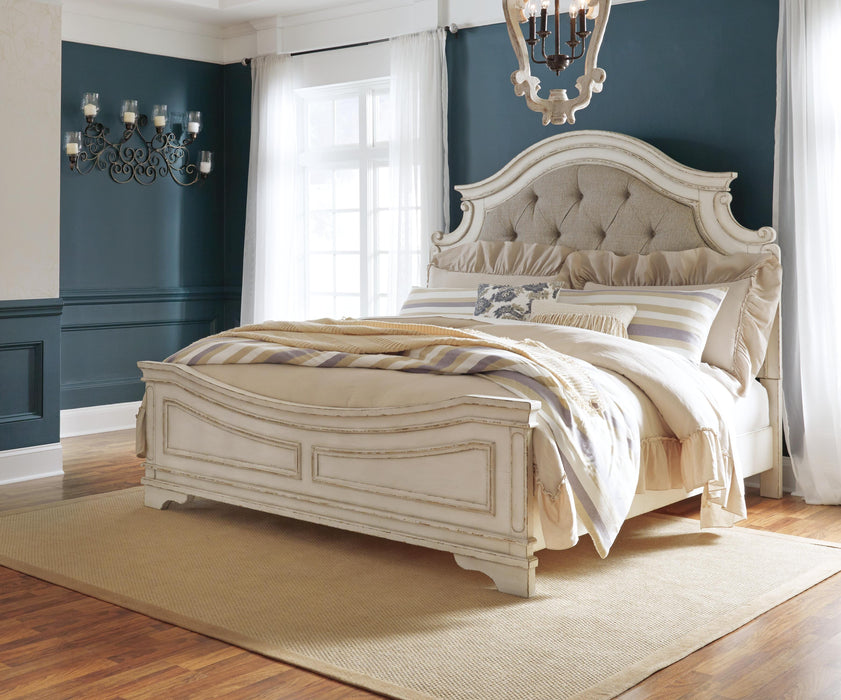
Get your bedroom furniture at Furniture World SW and create a space that combines comfort, style, and functionality. Whether you're designing a relaxing master suite, updating a guest room, or furnishing a new home, our collection offers quality pieces that help transform any bedroom into a welcoming retreat.
Shop now at Furniture World SW and explore bedroom furniture crafted for everyday living and lasting beauty. From elegant bed frames and spacious dressers to practical nightstands and storage solutions, you'll find everything you need to build a bedroom that feels comfortable, organized, and uniquely yours.