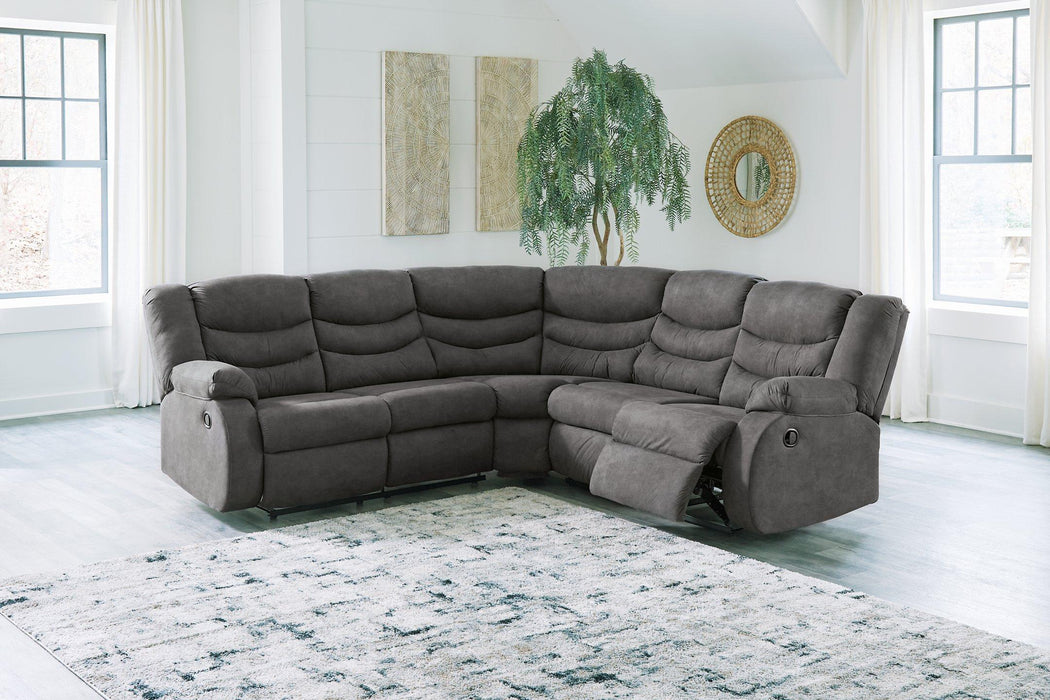
When it comes to creating a functional living room layout, few furniture choices have as much impact as your sectional sofa. Room layout efficiency means more than just fitting furniture into a space; it encompasses clear walkways, balanced seating arrangements, smart storage solutions, and unobstructed sight lines that make daily life easier.
Sectionals are powerful space-planning tools because they consolidate seating into a single cohesive unit, eliminating the visual clutter of multiple separate pieces. Whether you’re working with a small apartment or a sprawling open floor plan, the right sectional design can transform how you use your living space. This guide provides concrete sectional shapes and layout strategies you can apply immediately, with examples referencing real-world room sizes like 10x12 ft and 12x18 ft, along with common focal points such as TVs, windows, and fireplaces.
We’ll cover L-shaped sectionals for everyday versatility, U-shaped designs for social and media zones, chaise-end configurations for flexible areas, modular options for multi-use rooms, and storage-integrated pieces that double as organizers.
Introduction to Sectional Designs
When it comes to furnishing a small living room, a sectional sofa can truly transform your space. Unlike traditional sofas, sectional designs offer unmatched flexibility, allowing you to tailor your living room layout to fit your lifestyle and maximize every inch of floor space. Whether you’re working with a compact apartment or a spacious open concept home, there’s a sectional that can be customized to suit your needs.
Sectional sofas come in a variety of shapes and sizes, making them ideal for any living room, regardless of its dimensions. In a small living room, a well-chosen sectional can create a cozy seating area without crowding the space, while in a larger room, it can anchor the living space and define different zones. The modular nature of many sectionals means you can adapt your layout as your needs change, ensuring your living room remains both functional and inviting.
By selecting the right sectional design, you can create a welcoming atmosphere that’s perfect for relaxing, entertaining, or simply enjoying your living space. Whether you prefer a classic L-shaped sectional or a more contemporary modular setup, these sofas are a smart investment for anyone looking to make the most of their room and create a layout that feels both open and comfortable.
1. L-Shaped Sectionals for Everyday Efficiency
The L-shaped sectional remains the most versatile design for maximizing seating without overwhelming a room. Its angular form naturally creates conversation areas while leaving enough space for essential furniture placement and traffic flow. L-shaped sectionals are especially effective in small apartments or studio apartments, where they help define zones and maximize space.
L-shaped sectionals work best in rooms measuring approximately 10x12 ft to 14x18 ft. In these dimensions, the sectional provides ample seating for four to six people while preserving floor space for a coffee table, accent chairs, and clear pathways. L-shaped sectionals typically occupy 60 to 80 square feet and leave the center of the room open for movement. The key is maintaining 30 to 36 inches of walkway width around the sectional; this is the minimum recommended clearance for comfortable movement without feeling cramped.
Positioning an L-shaped sectional along two walls opens up the central area of the room, creating a natural gathering spot. An L-shaped sectional in a small living room is best positioned in the corner facing the open area. Floating the sectional a few inches away from the walls improves airiness and makes cable management easier if you have electronics nearby. This approach also aligns with the design principle that furniture placed away from walls creates more intimate and engaging environments.
L-shapes excel in rooms with one main focal point. Whether you’re facing a TV, picture window, or fireplace, you can orient either the short or long leg toward that element. For example, in a 12x16 ft living room, placing the long side parallel to a media wall and the short side facing a side window creates balanced sight lines for everyone seated.
Corner-Hugging L-Shape Layouts
Corner placement works best in very small living rooms or square rooms measuring around 10x10 ft to 12x12 ft. When floor space is at a premium, tucking the L into a corner maximizes your usable area.
The technique here is to keep 3 to 5 inches between the sectional and each wall. This small gap prevents the arrangement from looking cramped and allows air to circulate, which keeps the room feeling larger than it is. Pushing furniture directly against walls might seem efficient, but it often creates a closed-in atmosphere.
This configuration frees up central floor space for a compact coffee table, something in the 36x24 inch range works well, and possibly a slim reading chair placed opposite the sectional to create additional seating options. The result is a functional seating area that doesn’t sacrifice circulation.
Keep clear lines to doors and hallways by maintaining at least one 30-inch-wide main traffic path. In a 10x12 ft room with the sectional cornered on two walls, this typically means leaving the path from the room’s entrance to any other doorway completely unobstructed.
Styling should remain simple in these compact areas. Use one appropriately sized rug to define the seating area, and limit side tables to avoid visual clutter. A single round side table beside the sectional’s short arm often provides enough space for drinks and lamps without overwhelming the room.
Floating L-Shape as a Room Divider
In open-plan rooms, think living and dining combos measuring 15x20 ft or larger, floating an L-shaped sectional away from walls creates natural zones without building partitions.
Position the back of the sectional’s long side toward the dining area or kitchen. This subtly defines the lounge area while maintaining the seamless flow that makes open concept living attractive. The back of the sofa becomes a visual boundary that separates functions without blocking light or views.
A slim console table placed behind the back of the sofa serves multiple purposes: it provides a surface for floor lamps, books, and decorative objects while adding extra seating area definition. Maintain 36 inches of walkway behind this console table to ensure comfortable circulation between the kitchen, dining room, and living space.
Consider a concrete example: in a 16x22 ft open-plan space with the kitchen on one end and balcony doors on the other, floating an L-shaped sectional with its back toward the kitchen creates a distinct living area facing the outdoor view. The dining area naturally occupies the space between the sectional back and the kitchen, with the console table serving as a room divider that holds a lamp and a small plant.
2. U-Shaped Sectionals for Social and Media Zones
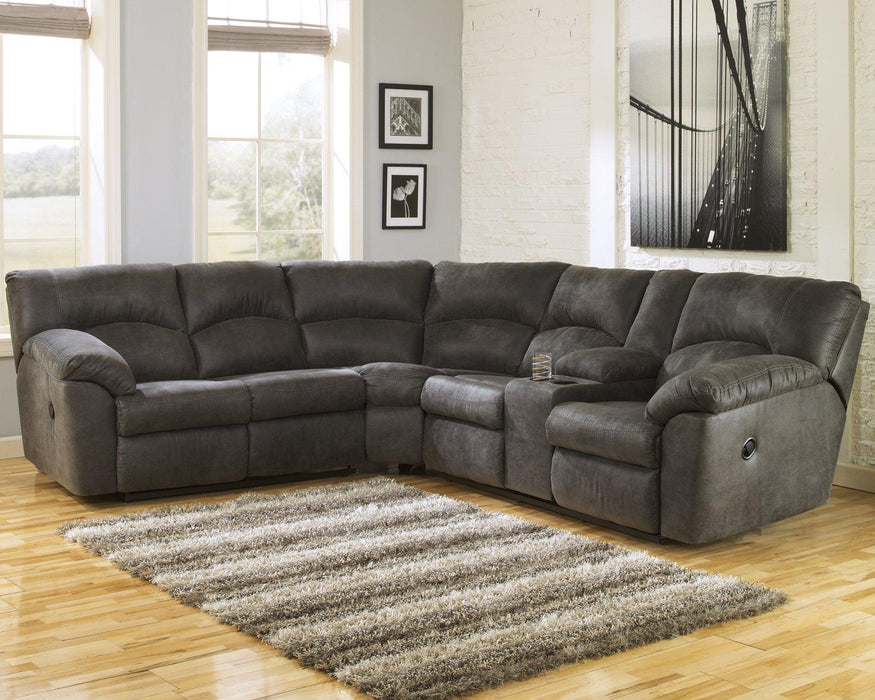
U-shaped sectionals excel in medium-to-large rooms and high-use social spaces where maximizing seating is the priority. Their enclosed form creates a defined conversation pit and efficient viewing angles toward a TV or fireplace.
The minimum room size for a U-shaped sectional is approximately 12x18 ft. Anything smaller risks making the space feel dominated by furniture. A central rug should allow 16 to 18 inches between the sofa edge and coffee table on all sides, giving people enough breathing room to move their legs and set down drinks.
One significant advantage of U-shapes is their ability to replace multiple accent chairs and individual seating pieces. Instead of arranging a sofa, loveseat, and two matching chairs, each requiring its own floor footprint, a single U-shaped sectional consolidates seating and simplifies the overall living room design.
When positioning a U-shape, pay attention to sight lines. Everyone seated should have a comfortable view of the main focal point without craning their necks. If you’re setting up a media room, consider speaker placement as well, side arms of the U can affect acoustics. Avoid blocking windows with tall sectional backs, as natural light significantly impacts how spacious a room feels.
Compact U-Shape in Modest Rooms
A smaller U-shaped sectional can work in family rooms measuring 12x14 ft to 12x16 ft, provided you choose a model with slim arms and a low back profile. These design features reduce visual bulk and help the sectional couch appear proportional to the space.
Align the open end of the U toward the room’s main entry. This orientation naturally directs traffic flow around the seating area rather than through it. When guests enter, they walk along the outside of the sectional before finding a seat, rather than having to step over legs or navigate through the middle of a conversation.
A round coffee table works better than rectangular options in tight U-shape arrangements. The curved edges ease circulation and eliminate sharp corners that catch shins in small spaces. Look for a table around 30 to 36 inches in diameter, large enough to be useful but compact enough to leave room for movement.
Upholstery choices matter for perceived spaciousness. Light neutrals, soft grays, creams, or pale blues, visually reduce the sectional’s bulk compared to dark colors. Performance fabrics in lighter tones also resist showing wear in casual family rooms where the sectional sees heavy daily use.
Styling tips for compact U-shapes:
-
Keep throw pillows minimal, three to five maximum
-
Choose a rug that extends at least 12 inches beyond the sectional’s footprint
-
Opt for wall-mounted shelves instead of floor bookcases
-
Use floor lamps in corners rather than bulky table lamps
Generous U-Shape for Media or Game Rooms
Dedicated TV rooms or game rooms around 14x20 ft or larger can accommodate generous U-shaped sectionals that serve as the room’s centerpiece. These spaces often function as media zones for watching TV or playing board games, so comfort and functionality take priority.
Position the center of the U facing the screen, with side arms running parallel to the side walls. This arrangement provides balanced acoustics, sound reaches both sides of the seating area evenly, and ensures comfortable viewing angles from every seat. The person on the far end of either arm should be able to see the screen without turning more than 30 degrees.
Storage solutions should complement rather than compete with the sectional layout. Low media consoles keep the visual weight near the floor, while wall-mounted shelving preserves open walkways. Avoid deep bookcases that protrude into the room and narrow circulation paths.
Maintain at least 3 feet between the back of the sectional and any rear wall or desk area. This clearance allows people to walk behind the seating during a movie night without disrupting viewers. If the room doubles as a home office, this space accommodates a desk chair’s movement without collision.
For everyday comfort in high-use rooms, consider dimmable lighting that adjusts for different activities. Sturdy, wipeable fabrics suit families with children or pets, and darker colors hide stains better in these heavily trafficked spaces.
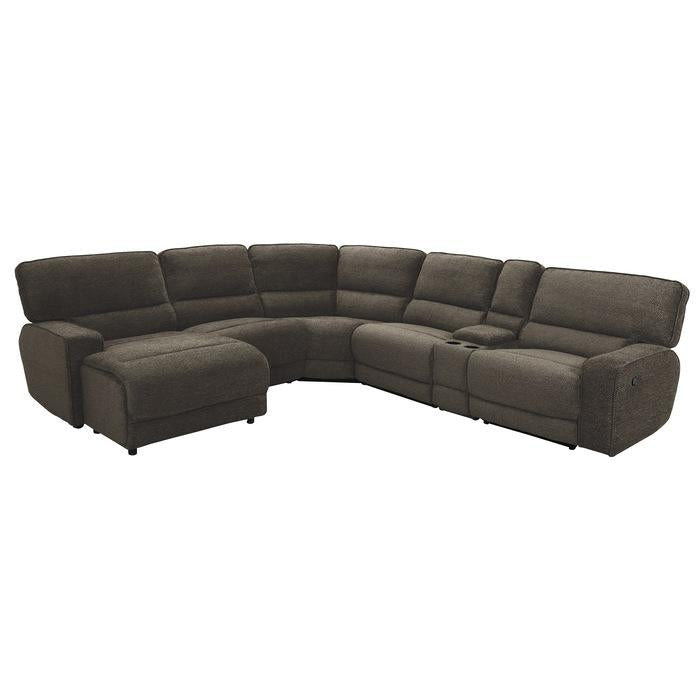
3. Chaise-End and Open-Ended Sectionals for Flexible Zones
Chaise-end and one-armed sectionals save space while creating built-in lounging spots that serve multiple purposes. For even greater efficiency and organization in small or flexible living areas, look for sectionals with built-in storage, which help keep clutter at bay and maximize usable space. According to many an interior designer, choosing sectional designs with integrated storage or modular features is key to optimizing both style and function in compact rooms.
These designs work exceptionally well in narrow rooms, studio apartments, or long living rooms that must incorporate work or dining areas.
An open-ended chaise visually softens the sectional’s termination point, improving flow in tight walkways. Instead of a hard right angle that blocks circulation, the sloped chaise creates a gradual transition that feels more inviting.
Slim-profile sectionals with elevated legs create an airy ambiance and give the illusion of increased space in small rooms.
Optimal chaise depths range from 60 to 72 inches, providing enough length for stretching out while leaving adequate clearance around the edges. Aim for at least 30 inches between the chaise edge and any adjacent furniture or walls. This allows someone to walk past without disturbing anyone lounging.
These sectional styles shine in spaces serving multiple purposes, from everyday relaxation to hosting guests overnight to creating a comfy spot for reading.
Defining Living Areas in Open-Plan Spaces
In a 15x25 ft open floor plan, a chaise-end sectional can subtly mark the boundary between living and dining zones without requiring a physical room divider.
Position the sectional so the chaise points toward a window or TV, with the back of the main seating facing the dining table or desk area. This orientation creates a clear visual distinction between functions while maintaining the easy access that makes open plans practical.
Rugs reinforce this zoning strategy. Place a rug under the sectional only, leaving the dining area on bare floor or a different rug pattern. This simple technique defines territories without walls, making each zone feel intentional rather than arbitrary.
A floor lamp positioned near the chaise creates a reading nook without adding bulky side tables. This approach keeps the sectional layout clean and preserves extra seating flexibility; someone can curl up with a book in good light without claiming a table that others might need.
Instead of adding big recliners that consume floor space, consider low-profile, armless side chairs for additional seating when hosting guests. These pieces maintain efficient traffic flow around the sectional while providing enough space for larger gatherings.
Maximizing Narrow Rooms with Open Ends
Long, narrow rooms, imagine a 10x20 ft footprint, present unique challenges. A fully enclosed U-shape would overwhelm the space, but a one-armed, open-ended sectional fits beautifully.
Orient the long side along one wall, with the open end facing away from the main traffic lane. This configuration avoids the bottleneck that would occur if people had to squeeze between the sectional and the wall opposite. The open end invites entry into the seating area from the roomier side of the space.
Wall-mounted shelves and slim wall sconces replace floor lamps in narrow configurations. Every inch of floor space matters, so moving lighting and storage to the walls keeps pathways clear and makes the room feel more spacious.
Coffee table alternatives work well here. A nesting table set allows you to pull out additional surface area when needed and tuck it away when you want maximum circulation. A narrow bench-style table, around 18 inches deep, provides functionality without protruding into the limited walkway.
4. Modular and Reconfigurable Sectionals for Multi-Use Rooms
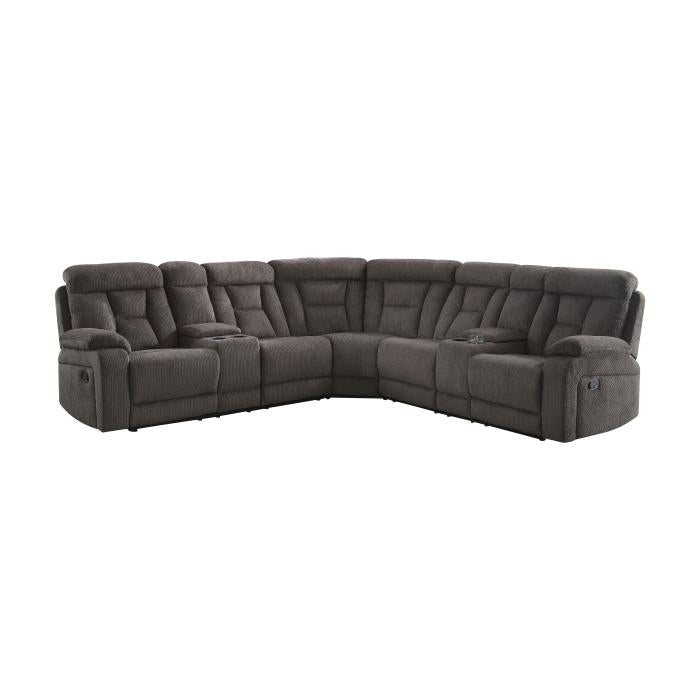
Modular sectionals consist of separate pieces that can be rearranged into L-shapes, U-shapes, or linear configurations depending on current needs. This flexibility makes them ideal for homes where functions shift throughout the day or week.
A living room that serves as a workspace during the day and a guest room at night benefits enormously from a modular sectional design. Pieces can be repositioned to accommodate a temporary desk setup, then reconfigured for comfortable sleeping when visitors arrive.
Renters who may move to differently shaped apartments find modular designs particularly valuable. The same four or five modules that form a corner-hugging L in a small apartment can become a floating linear arrangement in a larger future home.
The tradeoff is slightly busier visual lines, seams between modules are visible, and pieces may shift slightly with use. However, the gains in adaptability and long-term space planning often outweigh these minor aesthetic compromises.
In a typical 12x16 ft room, three to five modules can be configured as an L-shape for everyday use, separated into individual chairs for a conversation circle, or lined up against a wall to open floor space for activities.
Rearranging for Guests or Movie Nights
A four-piece modular sectional setup demonstrates practical reconfiguration. During normal use, the pieces form an L-shape facing the TV. When movie night arrives, the modules reconfigure into a pit-style square where everyone faces the screen from cozy, intimate positions.
Ottoman modules serve double duty as coffee tables when topped with sturdy trays or as extra seats when hosting six to eight people. This eliminates the need for additional seating options that would otherwise clutter the room between gatherings.
A single large rug helps anchor the different configurations. By marking the ideal module positions within the rug’s boundaries, you maintain visual interest and prevent the room from feeling chaotic when pieces move to new locations.
If your space doubles as a guest room, store spare cushions and bedding in nearby storage benches or under-bed drawers. A modular sectional that converts to a sleeping surface requires quick access to linens; planning this storage in advance keeps overnight preparations smooth.
Practical scenarios where reconfiguration shines:
-
Holiday gatherings require extra seating
-
Children’s sleepovers, where floor-level arrangements work better
-
Game nights need a central table configuration
-
Yoga or exercise sessions requiring cleared floor space
Adapting to Room Shape Changes Over Time
Life changes often bring room shape changes. A modular sectional purchased for a wall-hugging layout in a small city apartment can shift to a floating arrangement in a larger suburban home after a move.
When selecting modules, prioritize pieces that can function as stand-alone chairs or chaises. An armless corner module might not work alone, but an armless chair module or chaise module can serve independently in various room configurations.
Modular designs handle tricky architectural features effectively. Bay windows, off-center fireplaces, and bump-out alcoves all create challenges for standard sectionals, but individual modules can be arranged around these features rather than fighting against them.
Neutral, durable upholstery supports this long-term flexibility. A sectional in warm gray or soft beige works across different wall colors, flooring types, and design style changes that inevitably occur over a five to ten-year furniture investment horizon.
5. Storage-Integrated Sectionals That Double as Organizers
Sectionals with built-in storage maximize space efficiency and organization, especially in small or flexible living areas. Hidden storage inside sectionals, under seats, in armrests, or within chaise bases, supports clutter-free, efficient rooms without requiring additional furniture pieces. Sectionals with integrated storage help keep small spaces organized by providing hidden compartments for blankets and games.
Common storage uses include blankets for cozy evenings, board games for family entertainment, seasonal plush pillows, children’s toys, and spare bedding for overnight guests. Having these items within arm’s reach but out of sight transforms how a room functions daily.
Storage sectionals particularly shine in smaller rooms and multi-purpose spaces where freestanding cabinets or storage ottomans would block circulation paths. By integrating storage into seating, you eliminate furniture that would otherwise compete for limited floor space. Low-profile sectionals with thin or no arms can further enhance the sense of space, creating an illusion of higher ceilings and larger rooms, an especially effective strategy when combined with storage-integrated designs for small spaces.
The tradeoffs deserve mention: storage compartments often result in slightly firmer seat cushions, and the pieces themselves are heavier and harder to move. Planning access points and sectional arrangement becomes crucial; you don’t want storage you can never reach.
Practical storage allocation suggestions:
-
Chaise storage: large blankets, extra throw pillows, yoga mats
-
Seat storage: remote controls, magazines, small games
-
Armrest compartments: charging cables, reading glasses, coasters
Planning Layout Around Lift-Up Seats and Drawers
Storage functionality requires adequate clearance. Leave at least 18 to 24 inches in front of any lift-up storage seat or slide-out drawer. Without this space, you’ll need to move the coffee table every time you access storage, a friction point that discourages actual use.
Orient storage seats toward the open floor rather than tight corners. If your storage compartment faces a wall three feet away, accessing it requires awkward maneuvering. Pointing storage access toward the room’s center makes daily use practical.
Pair storage sectionals with lighter, easy-to-move coffee tables rather than heavy trunks or oversized coffee table options. When you need to access storage beneath the seat cushions, sliding a lightweight table aside takes seconds.
Strategic module placement reduces carrying distances. Positioning storage modules closer to the room’s entrance means less distance to travel when retrieving or stowing items like blankets or toys. This seemingly small detail significantly impacts how often storage actually gets used.
Additional planning tips:
-
Keep frequently used items in the most accessible compartments
-
Use fabric bins inside large storage areas to organize smaller items
-
Consider labeling storage zones if multiple family members share the space
-
Test storage access during your sectional layout planning, not after delivery
6. Designing Around Focal Points: Fireplaces, Windows, and TVs
Sectional design improves layout efficiency most dramatically when aligned with one clear focal point. The three most common focal points in residential living areas are fireplaces, large TVs or media walls, and picture windows or glass doors.
Efficient layouts prioritize comfortable viewing or appreciation of the focal point, safe circulation around furniture, and balanced visual weight throughout the space. A single large rug combined with a central coffee table anchors the sectional relative to the focal point, creating cohesion.
Quick reference for focal point matching:
-
Fireplaces: L-shaped or U-shaped sectionals work well
-
Media walls: U-shaped provides optimal viewing angles
-
Large windows: Chaise-end designs preserve natural light
-
Multiple focal points: Modular configurations offer flexibility
Sectionals and Fireplaces
Position an L-shaped sectional with its long side parallel to the fireplace wall, maintaining 18 to 24 inches from the hearth for safety. This clearance prevents heat damage to upholstery while keeping the fire visible to most seated positions.
A U-shaped sectional creates a cozy, symmetric fireplace-centric layout. The open end faces away from the fire, with the closed end wrapping toward the warmth. This arrangement makes the fireplace the undisputed main focal point of the conversation area.
For more formal looks, split modular pieces into two facing groups on either side of the fireplace. This arrangement works particularly well in bigger rooms with substantial mantels and creates a traditional parlor feel.
If a TV is mounted above the fireplace, a common but challenging configuration, use a low, non-reflective coffee table to prevent glare from flames on the screen. Console tables with matte finishes also help reduce visual competition between the two focal points.
Sectionals and TV / Media Walls
Ideal viewing distance depends on screen size. For a 65-inch TV in a typical living area, position primary seating approximately 7 to 9 feet from the screen. This distance provides comfortable viewing without eye strain.
Center an L-shaped or U-shaped sectional facing the media wall. Side seating should still fall within comfortable viewing angles; no seat should require turning more than 30 to 40 degrees to see the screen clearly. Test this during your living room layout ideas phase by sitting in different positions.
Wall-mounting the TV and using low media consoles keeps vertical sight lines clear. When seated, viewers should look slightly downward or straight ahead at the screen center; looking upward causes neck fatigue during longer movie night sessions.
Cable management matters in media-focused layouts. Route cables under rugs or along baseboards to avoid tripping hazards around sectional legs and pathways. Velcro cable channels attached to furniture backs keep cords organized and hidden.
Example configuration for a 12x18 ft family room: U-shaped sectional centered on the 18-foot wall, TV wall-mounted opposite, coffee table 18 inches from sectional edges, 36-inch walkway behind the sectional leading to the dining room.
Sectionals and Windows or Garden Views
When a large window or patio doors serve as the focal point, position the sectional so most seats face toward or sideways to the view. Avoid arrangements where the primary seating turns its back to the window; this wastes the visual asset entirely.
Float the sectional about 12 inches away from the window walls. This gap protects curtains from wear, allows access to radiators or baseboard heating, and makes window cleaning possible without moving heavy furniture pieces.
Low-back or chaise-end designs work best under windows. High sectional backs block natural light and obstruct sills where plants or decorative objects might sit. A chaise positioned beneath big windows creates a perfect lounging spot for reading in daylight.
A narrow sofa table placed behind the sectional links the seating visually to outdoor views. Use it for plants, small lamps, or decorative objects that complement the garden or landscape visible through the glass.
Addressing Design Challenges
Designing a small living room often means working around awkward corners, limited natural light, or unusual architectural features. This is where a sectional sofa truly shines. Its adaptable form allows you to overcome these challenges and create a living space that feels both functional and stylish.
For example, an L-shaped sectional can help define separate areas within an open floor plan, giving structure to your living room without the need for walls or bulky dividers. In spaces with tricky layouts or architectural features like bump-outs or alcoves, a modular sectional can be rearranged to fit perfectly, ensuring no square foot goes to waste. If your room lacks natural light, positioning your sectional to take advantage of windows can help brighten the space and make it feel more open.
Adding accent chairs, throw pillows, and a well-chosen coffee table can further enhance your living room’s visual interest and comfort. These elements not only provide additional seating and style but also help balance the room, making it feel thoughtfully designed. By considering your specific floor plan and the unique features of your space, you can select a sectional sofa that turns design challenges into opportunities for creativity and comfort.
Creating a Cozy Atmosphere in Living Rooms
A cozy living room is all about creating a space where you want to unwind, connect, and feel at home. The sectional sofa is often the heart of this seating area, offering plenty of room for family and friends to gather. To achieve that inviting atmosphere, focus on both comfort and layout.
Start by arranging your sectional sofa to define the seating area, ensuring there’s enough space for easy traffic flow and breathing room. Avoid overcrowding, leave pathways open so people can move comfortably around the room. Enhance the coziness with plush pillows, soft throws, and a textured rug that anchors the space and adds warmth.
Lighting also plays a key role. Use floor lamps or table lamps to create soft, ambient light that makes the room feel welcoming. Position your sectional in a way that encourages conversation, perhaps in a corner nook or against a wall, while still leaving enough space for movement. By layering in these elements, you’ll create a living room that feels both intimate and spacious, a perfect spot for relaxing, reading, or hosting guests.
7. Practical Measurement Rules for Efficient Sectional Layouts
Before purchasing any sectional, measure your room completely and apply these key spacing guidelines:
Essential clearance measurements:
-
Sofa edge to coffee table: 16–18 inches minimum
-
Main walkways: 30–36 inches wide
-
Floating distance from walls: 3–5 inches for airflow and cleaning access
-
Space in front of storage compartments: 18–24 inches for access
-
Distance from fireplace hearth: 18–24 inches for safety
Room measurement checklist:
-
Overall length and width of the room
-
Locations and widths of all doors and windows
-
Positions of electrical outlets and cable connections
-
Locations of heating vents or radiators
-
Any architectural features like columns, bump-outs, or built-in shelving
Delivery considerations:
-
Measure doorway widths (interior and exterior)
-
Check stairwell dimensions and turning radii
-
Confirm elevator capacity for apartment buildings
-
Know whether your sectional comes assembled or in pieces
Proportionality guidelines:
-
Sectional length should not exceed 2/3 of the wall it faces
-
Leave at least 36 inches between the sectional and other furniture pieces, like dining tables
-
Rug should extend 12–18 inches beyond the sectional footprint on all visible sides
-
Coffee table length should be roughly half to two-thirds of the sectional’s long side
These measurements apply regardless of whether you choose an L-shaped, U-shaped, chaise-end, or modular configuration. Taking accurate measurements prevents costly mistakes and ensures your sectional sofa layout actually improves rather than hinders room efficiency.
8. Conclusion: Matching Sectional Design to Your Space
The best sectional design depends entirely on your room size, focal points, and how you use the space day to day. There’s no universal answer, only the right answer for your specific situation.
Each main sectional type brings distinct strengths to different challenges. L-shaped sectionals offer versatility that works in most standard living rooms. U-shaped configurations maximize seating for gatherings and create defined media zones. Chaise-end designs suit tight or multi-zone rooms where flexibility matters. Modular sectionals provide long-term adaptability as life circumstances change. Storage-integrated pieces deliver clutter control without sacrificing style.
Before committing to any shape or configuration, sketch your room with real measurements. Mark doors, windows, electrical outlets, and any other furniture you need to accommodate. This simple exercise reveals constraints and opportunities that aren’t obvious when browsing showroom displays.
Start your planning with circulation and focal point placement. Identify where people will walk, where they’ll sit, and what they’ll look at. Choose the sectional that supports those priorities rather than forcing your lifestyle to accommodate the furniture.
A thoughtfully chosen sectional transforms both comfort and efficiency in everyday living. When the layout works, you stop noticing it; you simply enjoy a living space that functions beautifully for everything from quiet mornings with coffee to energetic evenings hosting guests.
Final Tips
Choosing the best living room layout for a small space comes down to thoughtful planning and smart furniture choices. Begin by measuring your room carefully and considering how each piece will fit within the space. A modular sectional sofa is a versatile option, allowing you to rearrange your seating area as your needs change, ideal for everything from movie nights to hosting guests.
Incorporate storage ottomans, console tables, and floor lamps to maximize storage and maintain a natural flow throughout the room. These pieces help keep clutter at bay and ensure your living room remains functional and inviting. Don’t overlook the importance of style. Select a color scheme and design style that reflects your personality and complements your home’s architectural features.
Some of the best living room layout ideas include placing your sectional sofa against a wall to open up floor space, using a coffee table to anchor the seating area, and adding accent chairs or additional seating options for flexibility. By balancing comfort, style, and practicality, you can create a living room that feels spacious, welcoming, and perfectly suited to your everyday life.
Get Your Sectional Sofa Furniture at Furniture World SW Today
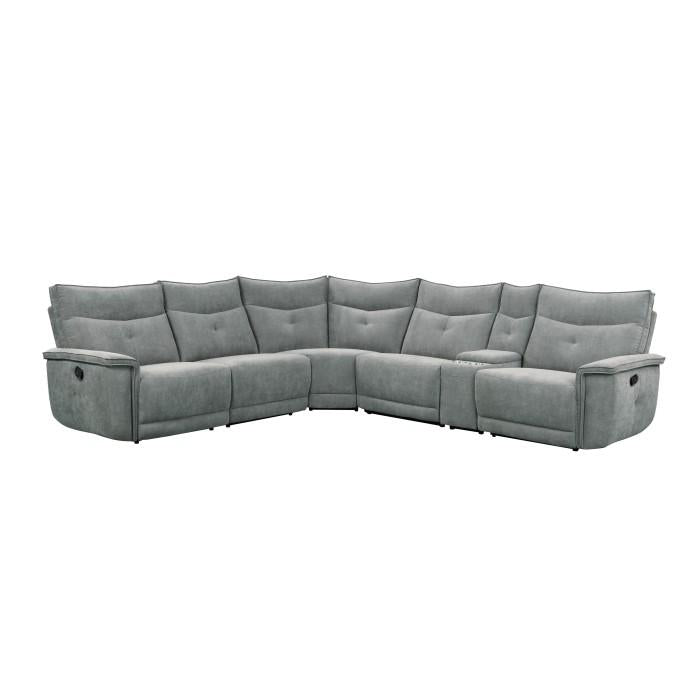
A sectional sofa brings comfort, flexible seating, and style to your living space. At Furniture World SW, our sectional sofa furniture collection includes a variety of layouts, fabrics, and finishes designed to suit your room and lifestyle. Each piece is chosen for comfort, durability, and everyday use, making it easy to create a welcoming and functional seating area.
Explore our sectional sofa furniture selection today and find the perfect option for your home. Whether you’re refreshing your living room or upgrading your seating, Furniture World SW offers sectionals that combine comfort, quality, and timeless style.